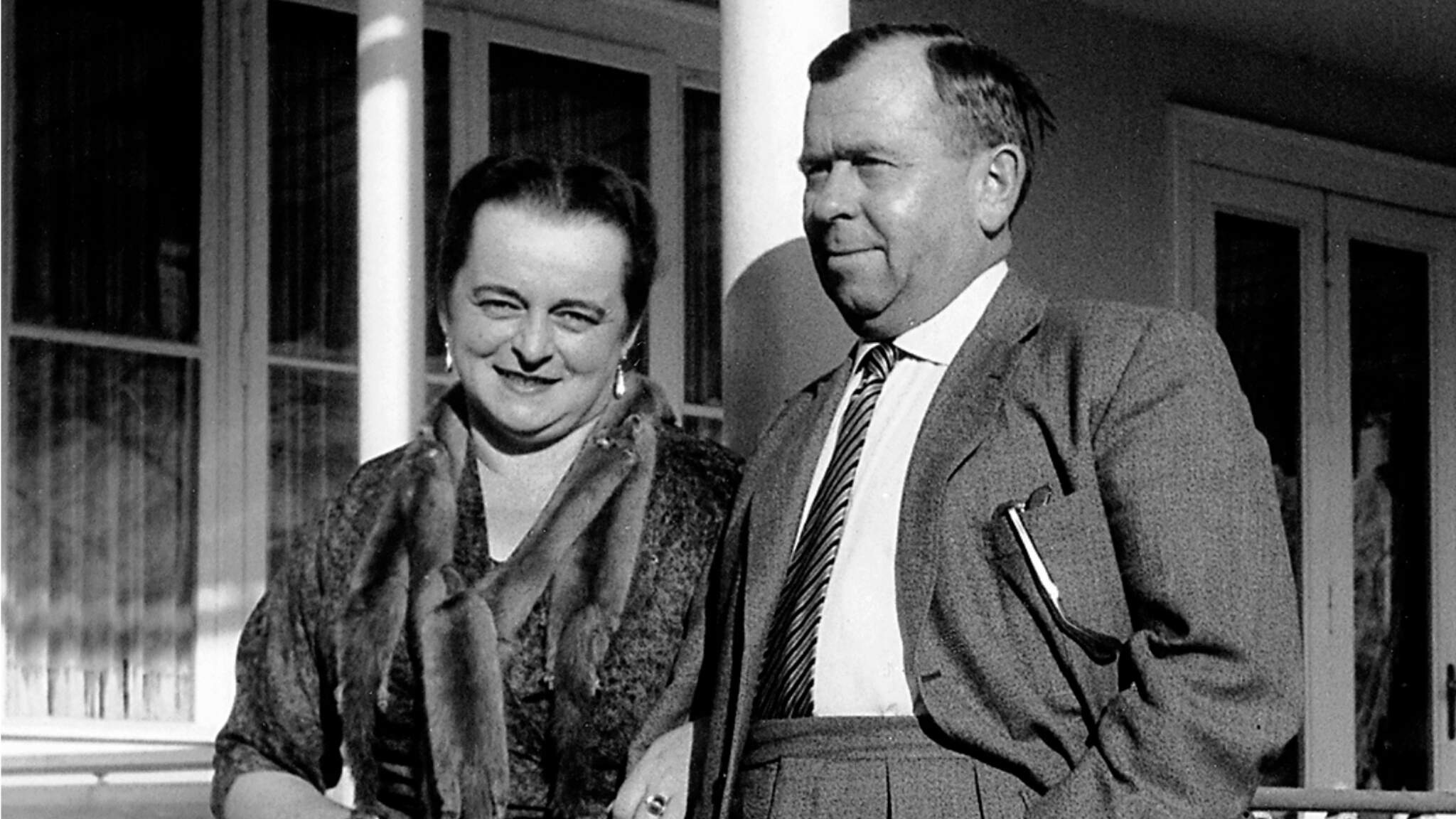
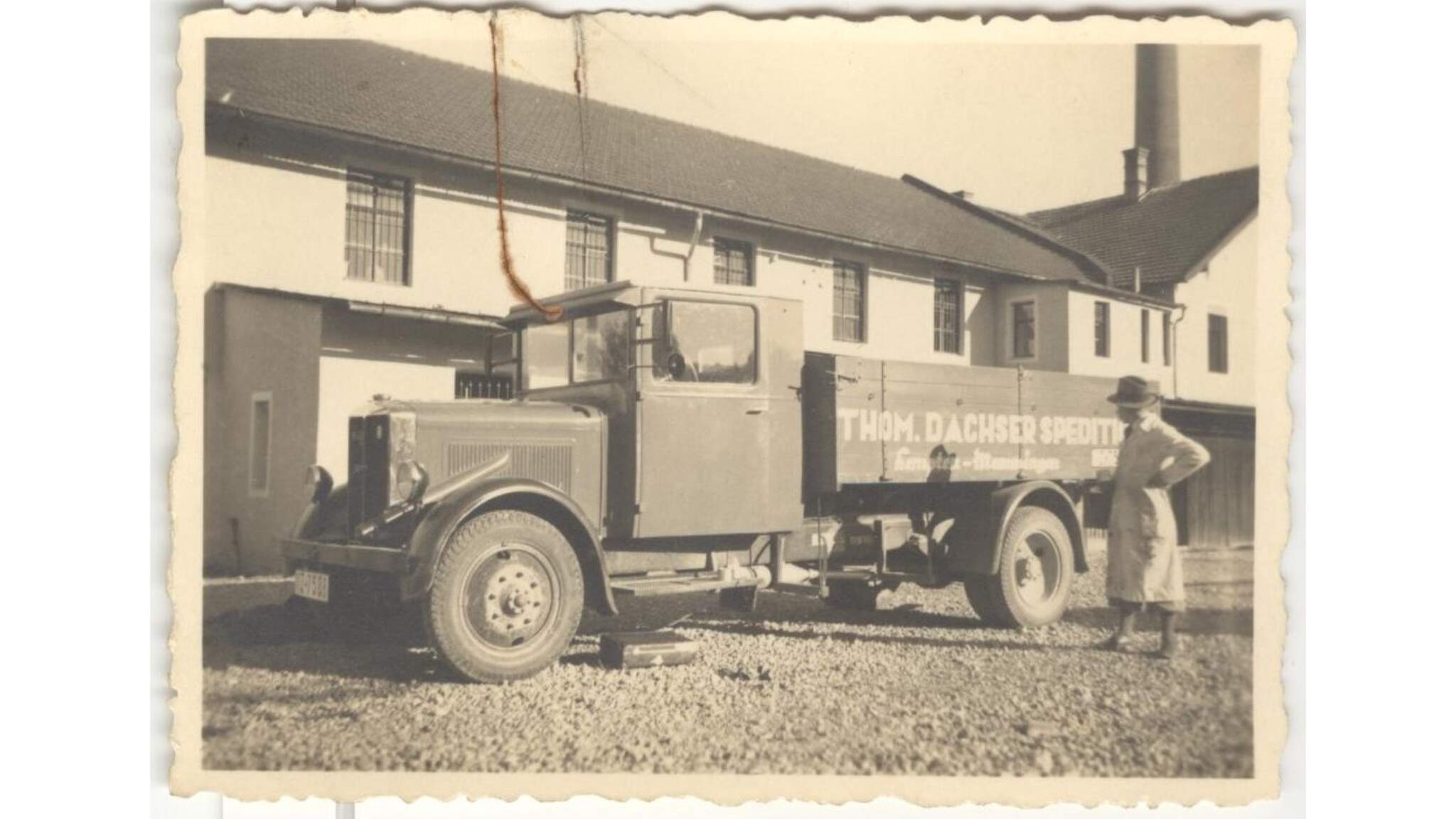
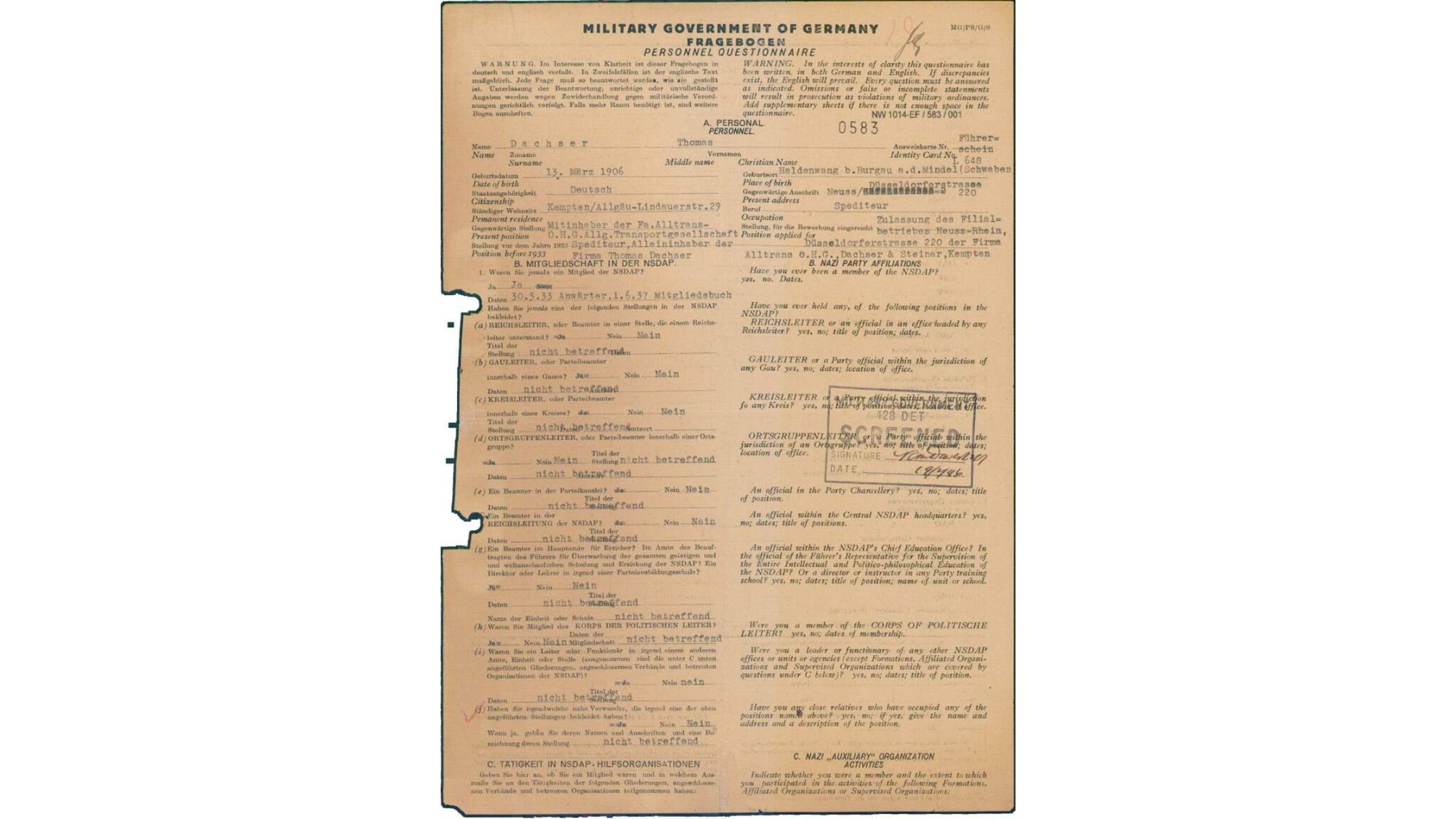
The Nazi era, with the economic revival brought about by the Four-Year Plan and government economic policies, also marked an upswing in Dachser’s freight forwarding business. The company benefited from the enormous growth of the freight transport market that began in 1932/33, and gradually evolved from the one-man operation into a small business, in which Anna Dachser assumed an active role in management after her marriage in 1935, and which employed eight staff members and ten workers by 1936. The first branch office had been established in Memmingen in 1934, followed by a second branch in Düsseldorf/Neuss in 1937. These developments enabled DACHSER to position itself alongside other freight forwarders in the Allgäu freight forwarding industry. Like many entrepreneurs, Thomas Dachser opportunistically and apolitically adapted to the Nazi regime. In May 1933, he joined the NSDAP as a member.
With the outbreak of war, however, the freight forwarding business – which had focused on food transport to the Ruhr region – experienced a sharp decline, leading to the loss of significant long-distance revenue streams. Between 1939 and 1942, revenue was cut in half. This downturn was compounded by the requisition of vehicles from the fleet by the Wehrmacht and a reduction in the workforce, which at times had grown to over 70 employees but was effectively halved due to military service. Dachser also temporarily employed forced laborers – two to three Dutch and French nationals – who were put to work in warehouse operations. Later, in 1942–43, several Russian war prisoners were likewise deployed in Kempten. By 1944, DACHSER faced further setbacks when bombing raids first destroyed the branch office in Neuss and then largely destroyed the headquarters in Kempten. Despite these challenges, Thomas Dachser managed to keep the freight forwarding and warehousing business – which remained vital due to the many corporate relocations to the Allgäu region and for maintaining food supplies and the food situation – alive and to keep the company in the black with the now-dominant local transport revenues.
During the state-controlled allocation of truck loading capacity in the war years, Thomas Dachser was appointed head of the Allgäu transport unit. He was later criticized for this after the war ended. He was initially prohibited by the occupying authorities from managing a business, and his company was placed under a trustee between 1946 and 1948. In the final denazification proceedings in May 1948, he was classified as a “nominal member.” As a result, he was subject to a minor fine, the trusteeship was lifted, and he was reinstated as an entrepreneur.
With this and the tailwind of the currency reform, Thomas Dachser led his company through the years of reconstruction.
(For further information on DACHSER during the Nazi era and the immediate postwar years, see the study by Paul Erker, “The DACHSER Logistics Company,” published in 2008, pp. 21–30.)
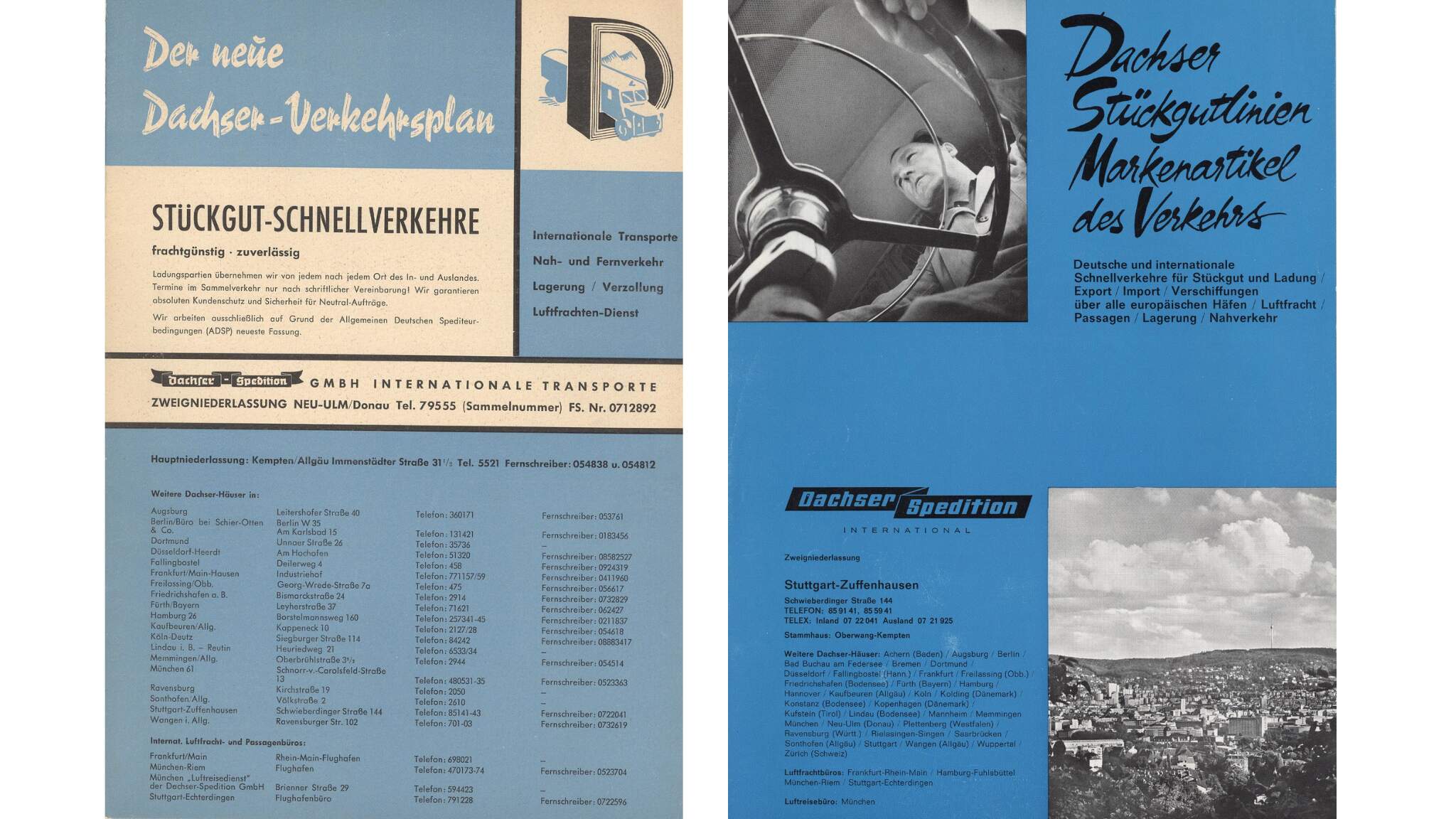
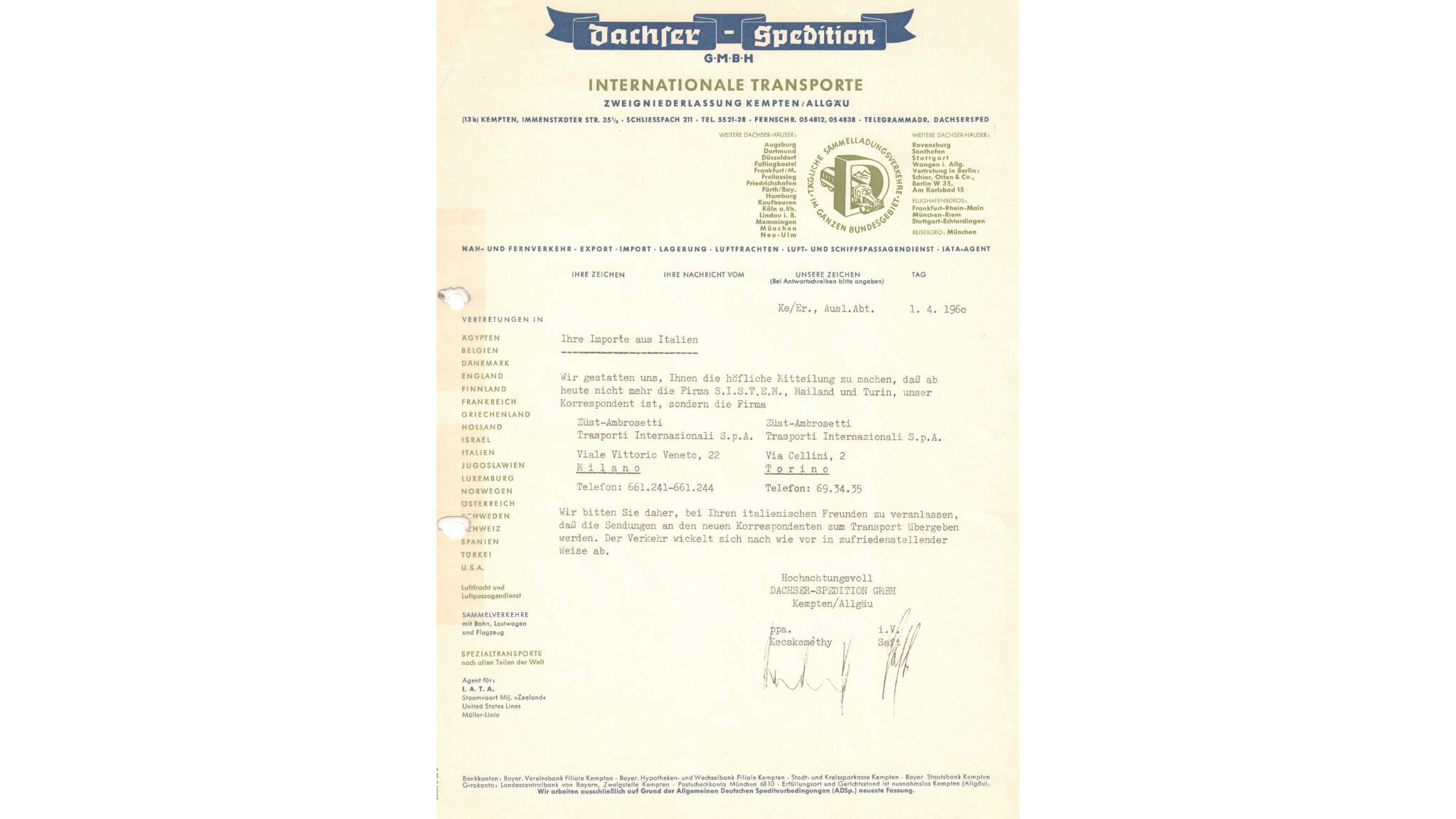
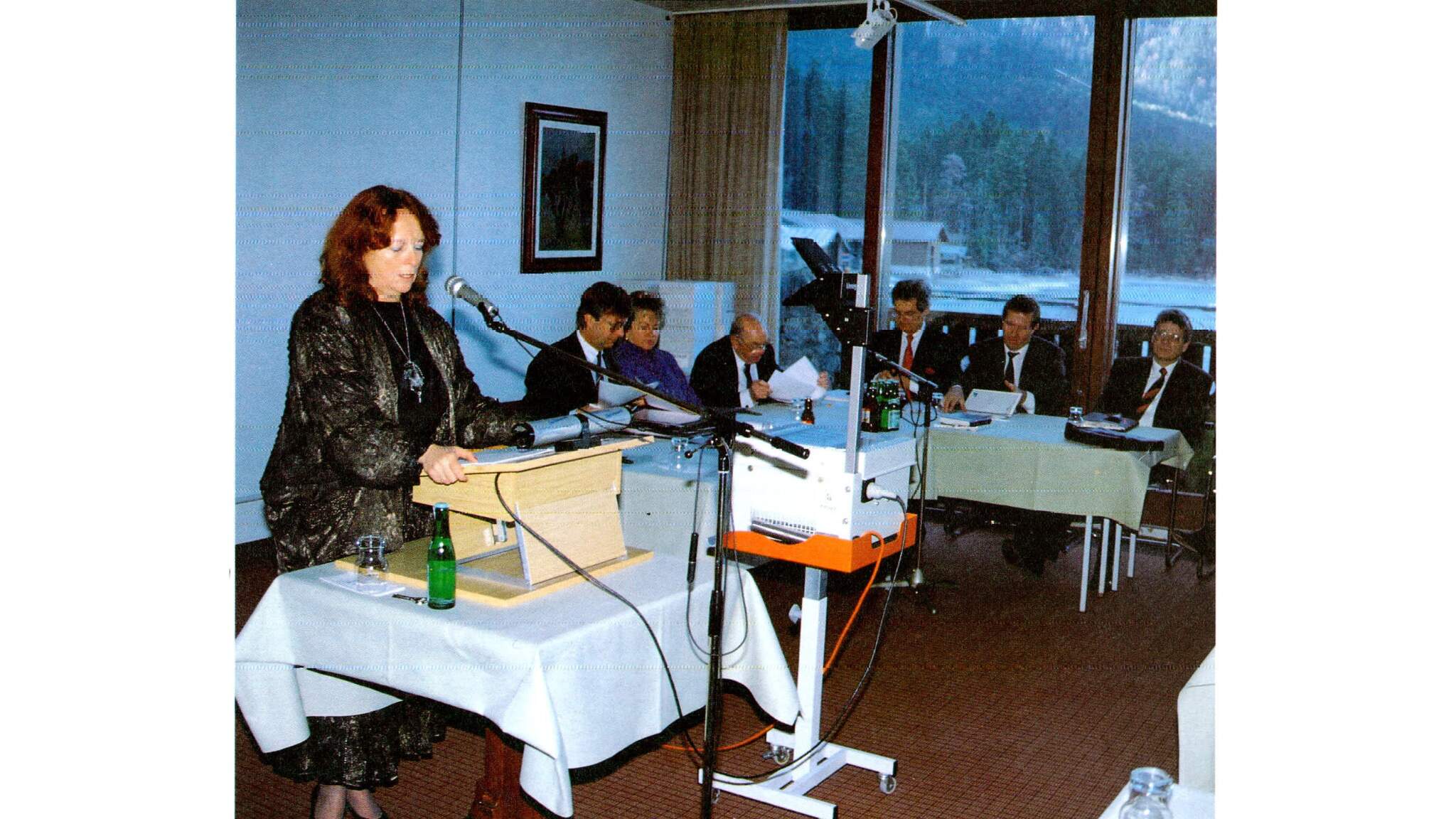
In 1952, with the launch of international transport operations, the company underwent its first name change to “Thomas Dachser, Internationale Spedition.” At that time, fixed, state-regulated tariffs and a limited number of long-distance transport licenses set the parameters of transport policy in Germany. Throughout the 1960s and 70s, DACHSER underwent a comprehensive modernization process, both in terms of professionalizing management – with significant contributions from Christa Rohde-Dachser – as well as decisive initiatives by Thomas Simon in vehicle innovations and the systematization of international operations. Annemarie Simon also represented the entrepreneurial family both internally and externally. The shareholder family has thus played a defining role in shaping the identity and distinctive culture of the family business, while simultaneously fostering professional structures that are also strongly influenced by experienced individuals from outside the family.
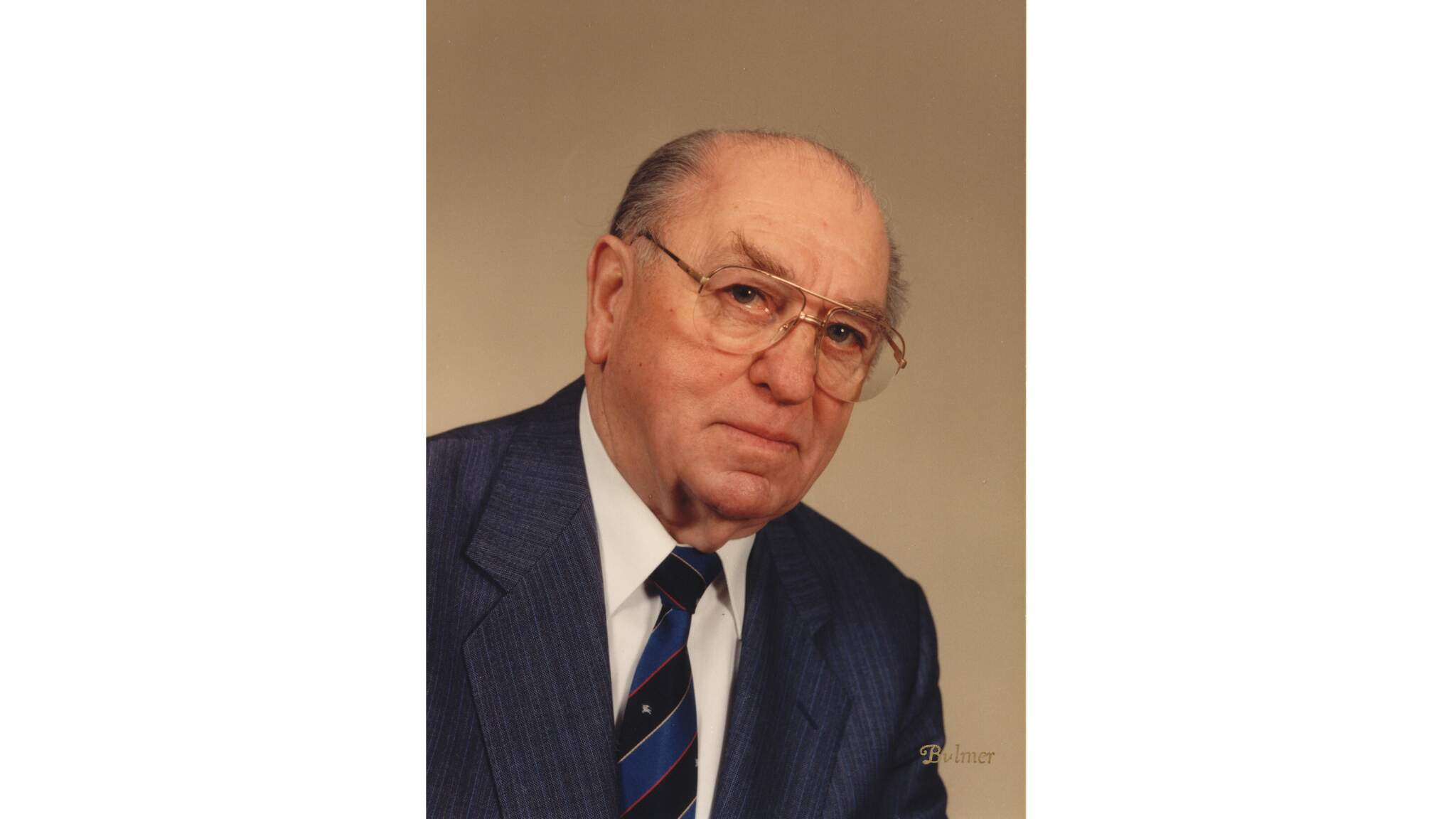
The foundations for the modern governance introduced later were laid during this period. And more than ever, strong branch managers – acting as entrepreneurial leaders – determined corporate policy. The leadership of the company rested on many shoulders. Thus, even after Thomas Dachser’s death in 1979, the continuity within the family-run business was maintained, and the company successfully continued its growth trajectory with a series of technical and logistical innovations. The problem of the leadership vacuum that the founding patriarch left behind in many post-war companies after his departure did not exist at DACHSER.
Key Milestones in DACHSER’s History (1930 to 1982)
- 1930: Thomas Dachser founded a trucking company in Kempten.
- 1948 to the 1950s: Reconstruction of the branches largely destroyed during the war, as well as the establishment of new branches in southern and western Germany (including Wangen, Frankfurt, Lindau, Hamburg, Cologne, Munich, and Neu-Ulm). The core of the future DACHSER network takes shape. Expansion as a groupage freight forwarder and promotion of the DACHSER “general cargo lines” as “brand-name transportation services.”
- DACHSER operates as an international freight forwarder and, in addition to an “international department” in Kempten, has been the first freight forwarder to operate an air freight office at Munich Airport since 1951. The Kaufbeuren branch operates exclusively as an IATA agent handling export and import transactions.
- 1955: On the 25th anniversary of its founding, revenue stands at 33.085 million DM with a workforce of 720 employees.
- 1959: Entry into the furniture and moving transport sector. Together with Georg Kolb, Thomas Dachser founded DACHSER & Kolb Möbelspedition.
- 1967/68: Innovation in service offerings such as “Guaranteed Transport” for general cargo shipments in competition with the main rival, the German Federal Railways. Innovations also in freight forwarding workflows through the use of modern underfloor conveyors and telescopic conveyor belts, as well as lifting platforms and forklifts – that is, the extensive mechanization of loading and unloading processes, which until then had been carried out predominantly by hand.
- By the late 1960s, the DACHSER branch network consisted of 30 offices spread across Germany. In addition, a number of foreign subsidiaries had already been established in Denmark and Switzerland.
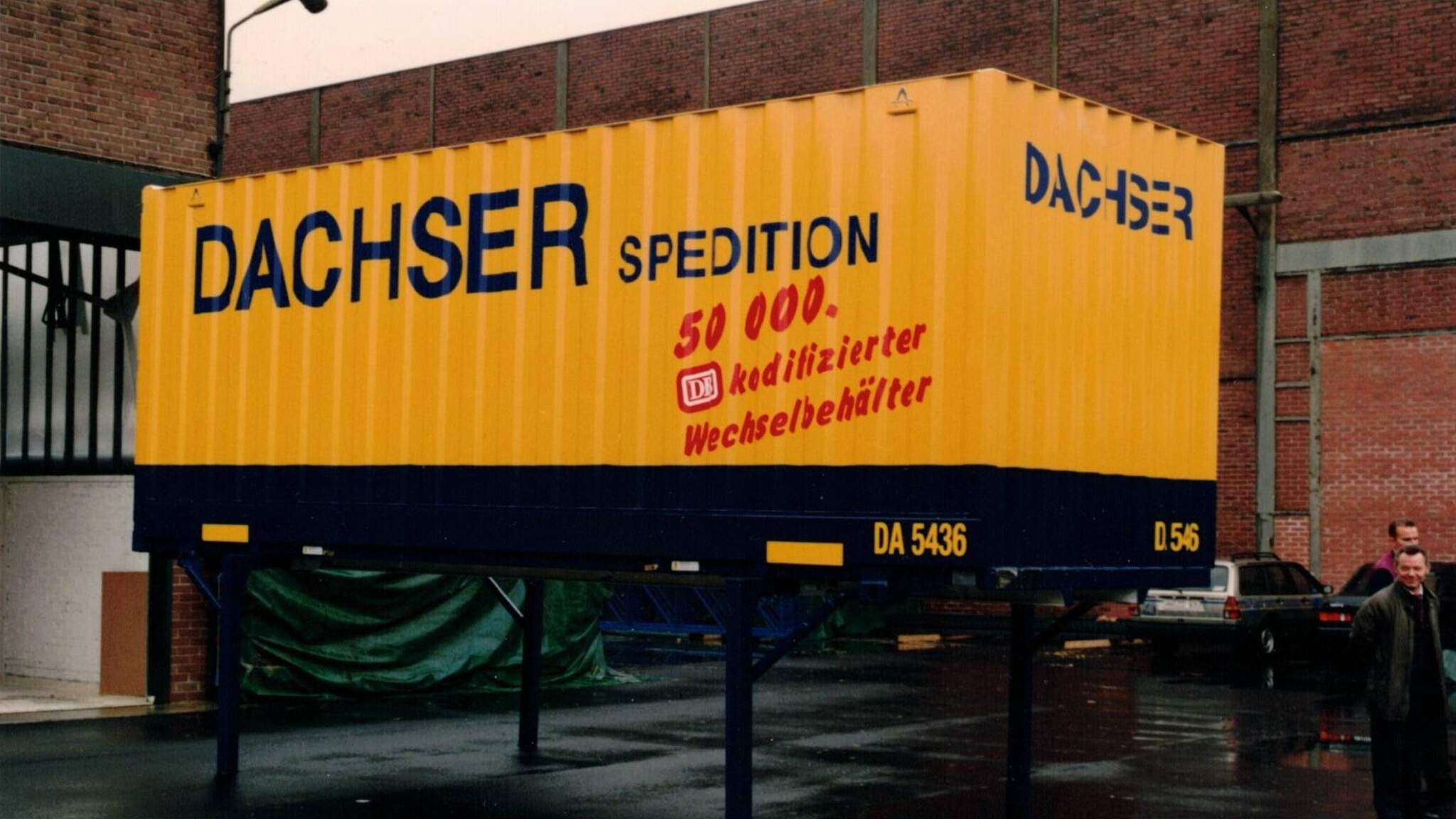
- 1970: On the occasion of its 40th anniversary, DACHSER was undergoing significant transformation. Conversion of the entire fleet to swap bodies, thereby establishing itself as an innovation leader in the groupage freight forwarding sector. Revenue of 177.05 million DM with 1,783 employees.
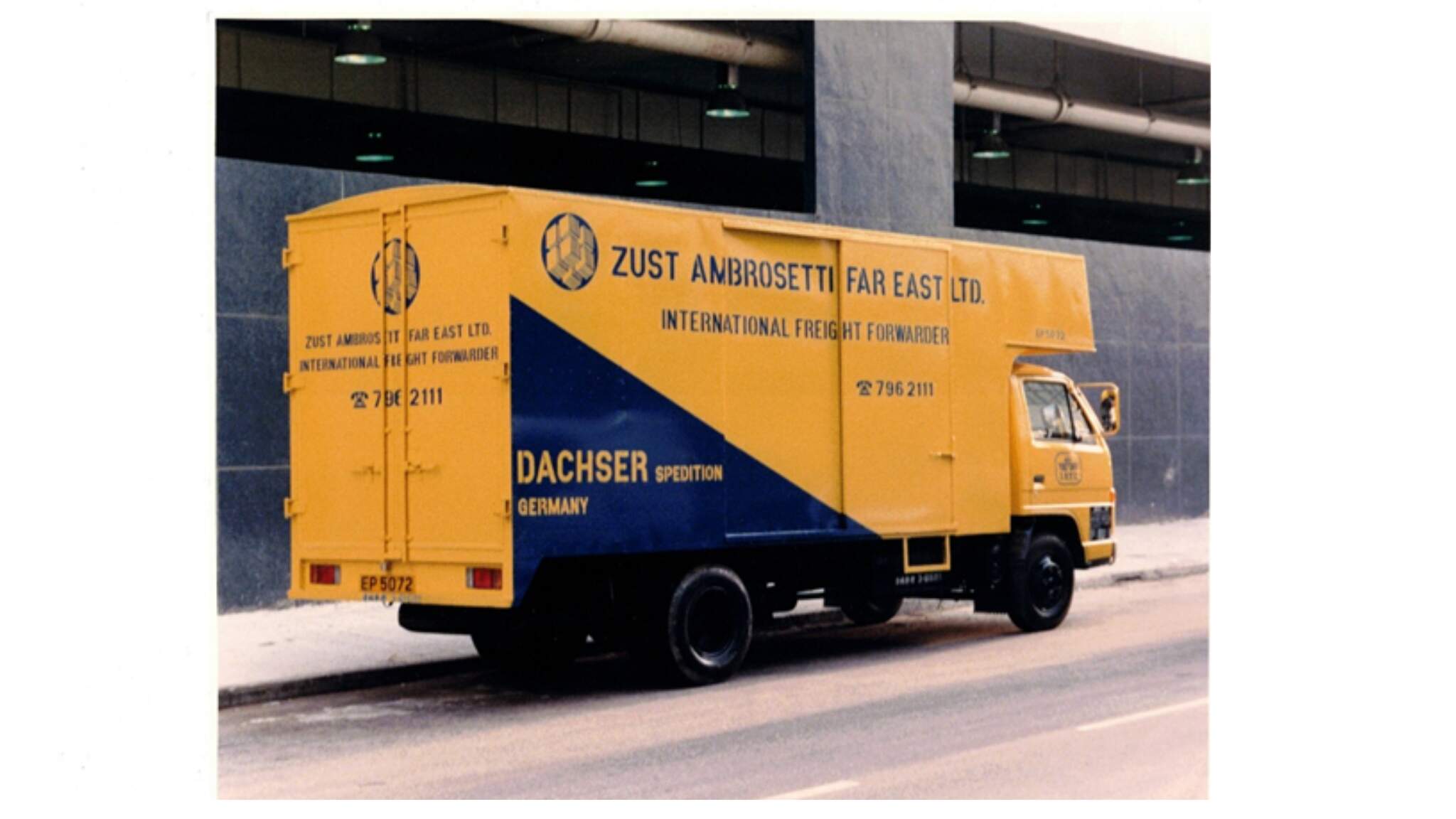
- 1974: Acceleration of the establishment of foreign subsidiaries, starting in 1970 in New York (USA), in Luxembourg in 1972, and in the UK, the Netherlands, and Belgium in 1974/75.
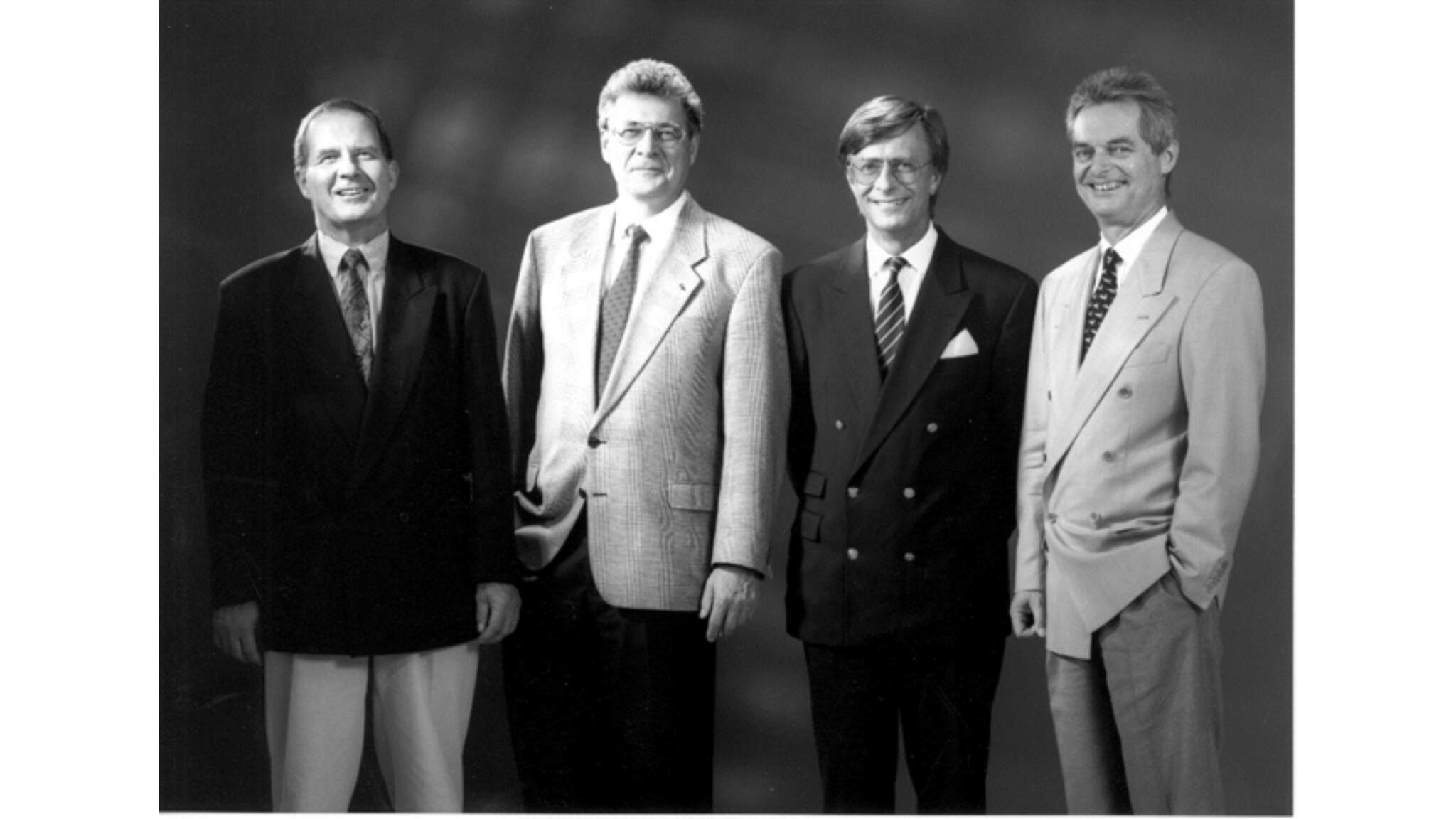
- April 1976: At the age of 70, Thomas Dachser steps down from active management and transfers the majority of corporate leadership to his deputy, Ulrich Weiß, who serves in a dual role as branch manager of Wangen and as general representative for DACHSER.
- 1979: Thomas Dachser dies.
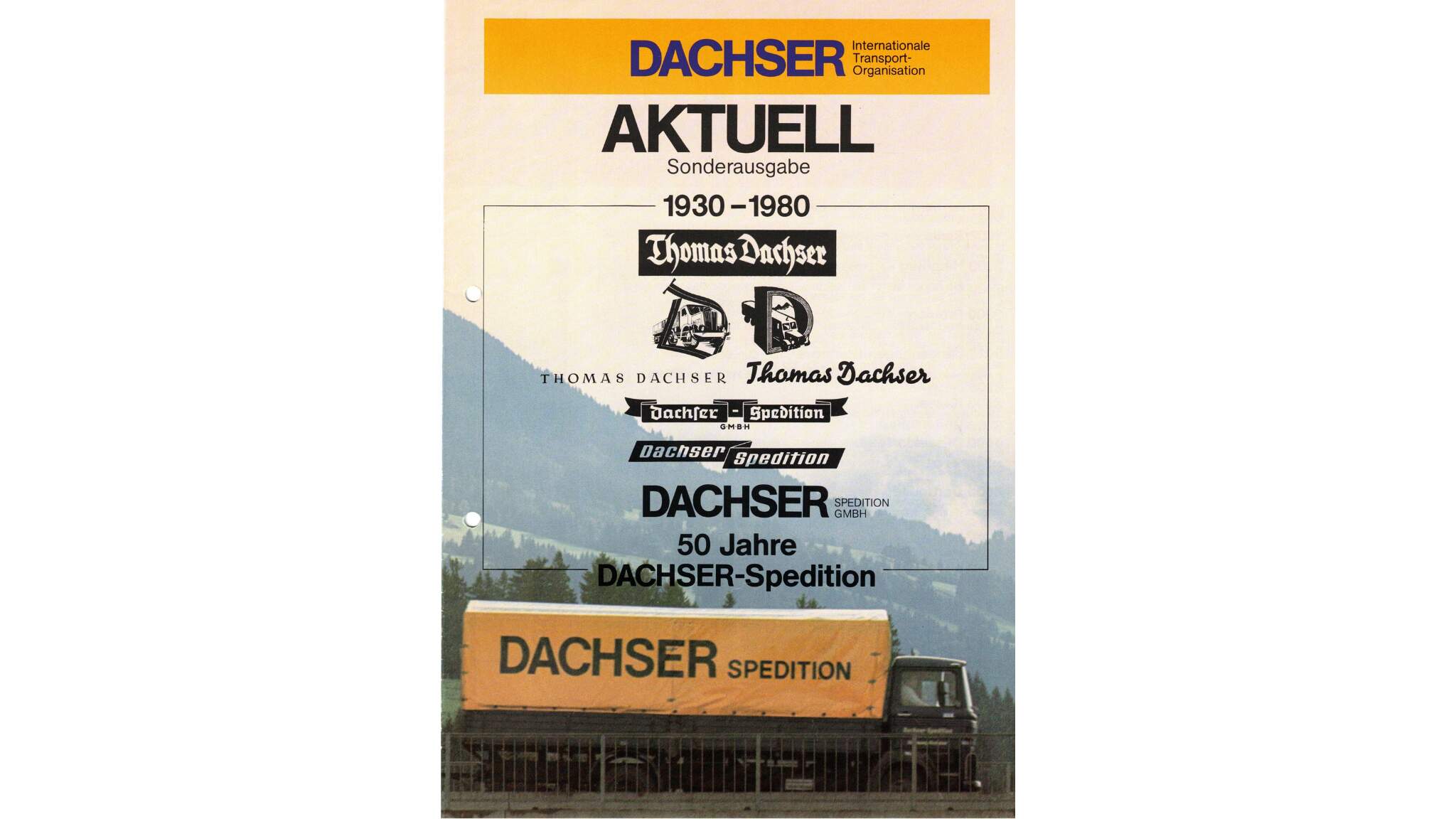
- 1980: DACHSER celebrates its 50th anniversary. Revenue of 401.955 million DM with 2,364 employees.
- 1981: DACHSER becomes the exclusive German member of the World Air Cargo Organisation (WACO).
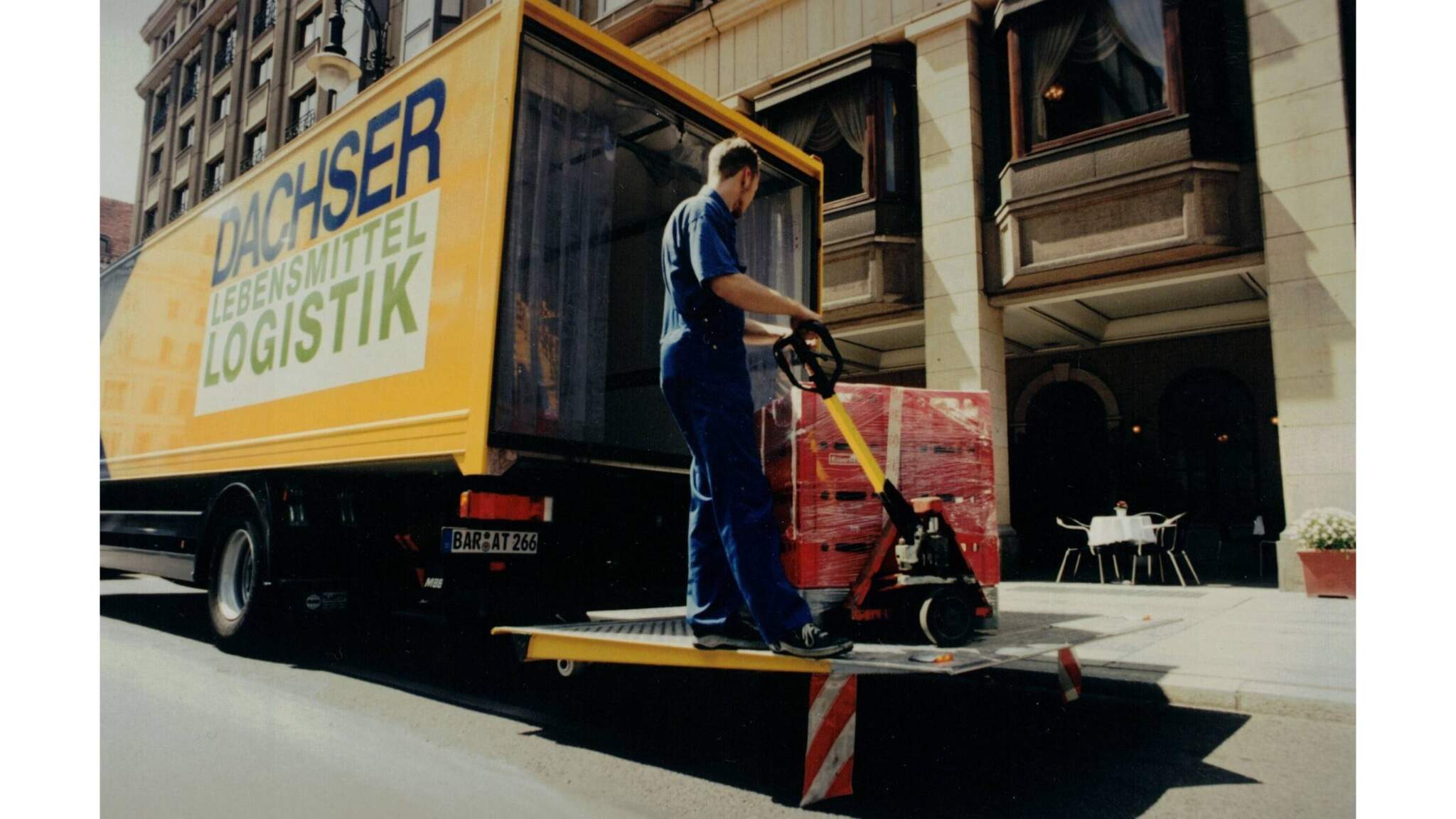
- 1982: The family-owned company launches the DACHSER Food Logistics business unit (initially operating under the name “Frisch-Dienst”) and thus a new product line. In addition, the freight forwarding product portfolio is expanded to include Express, Super Express, Guaranteed, and Fixed-Date services.