Logistics service provider and family business.

The history of DACHSER

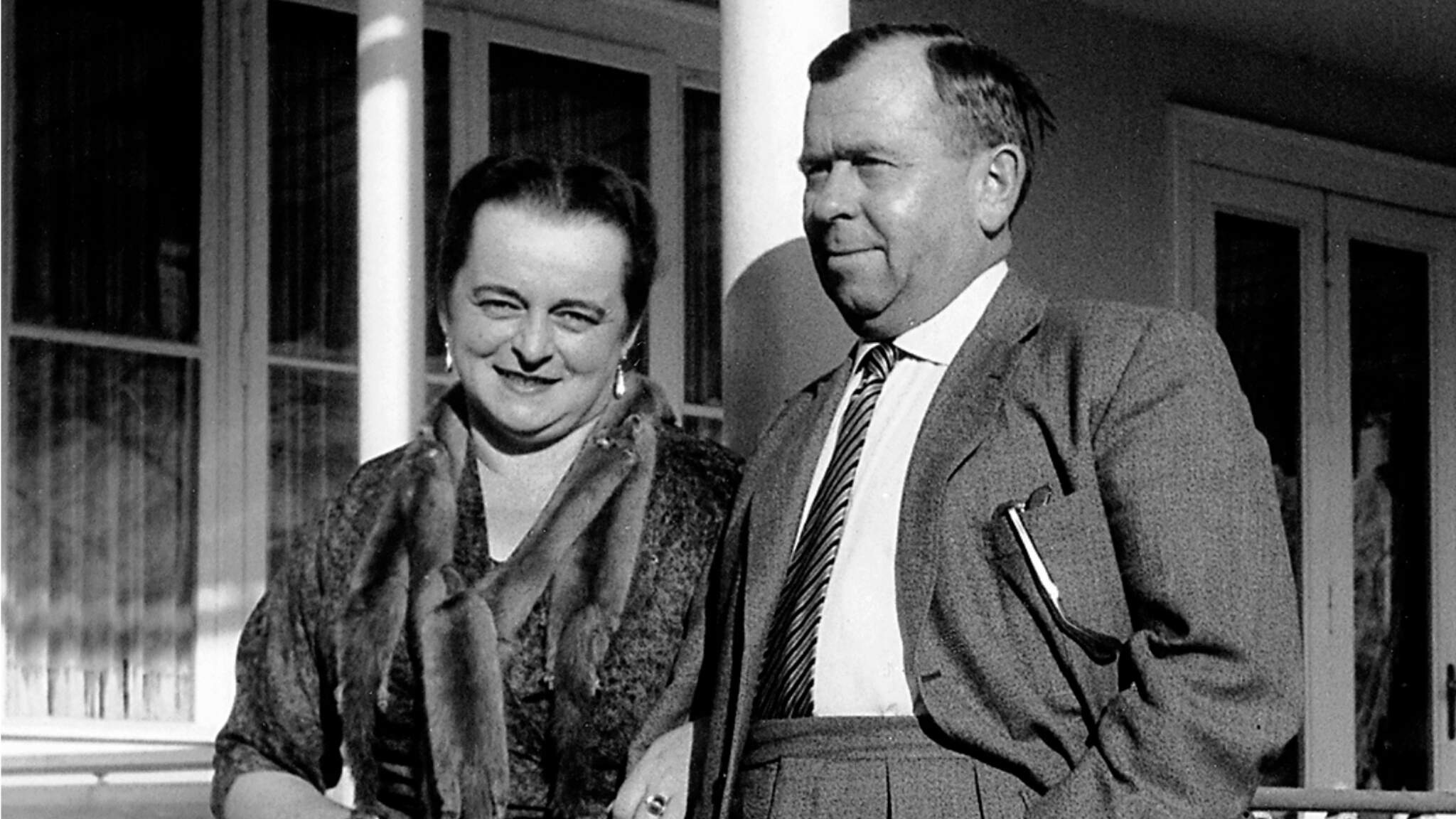
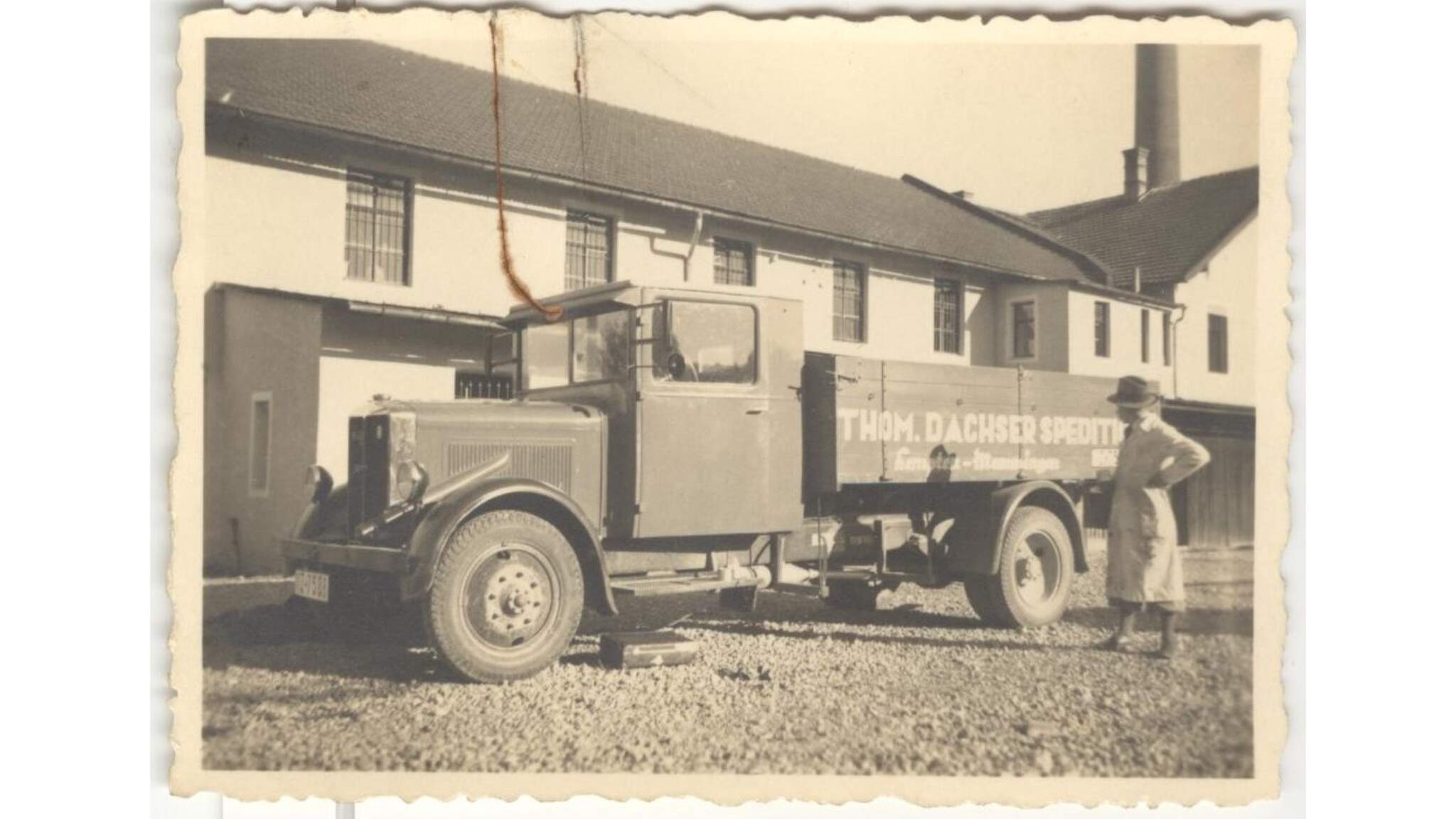
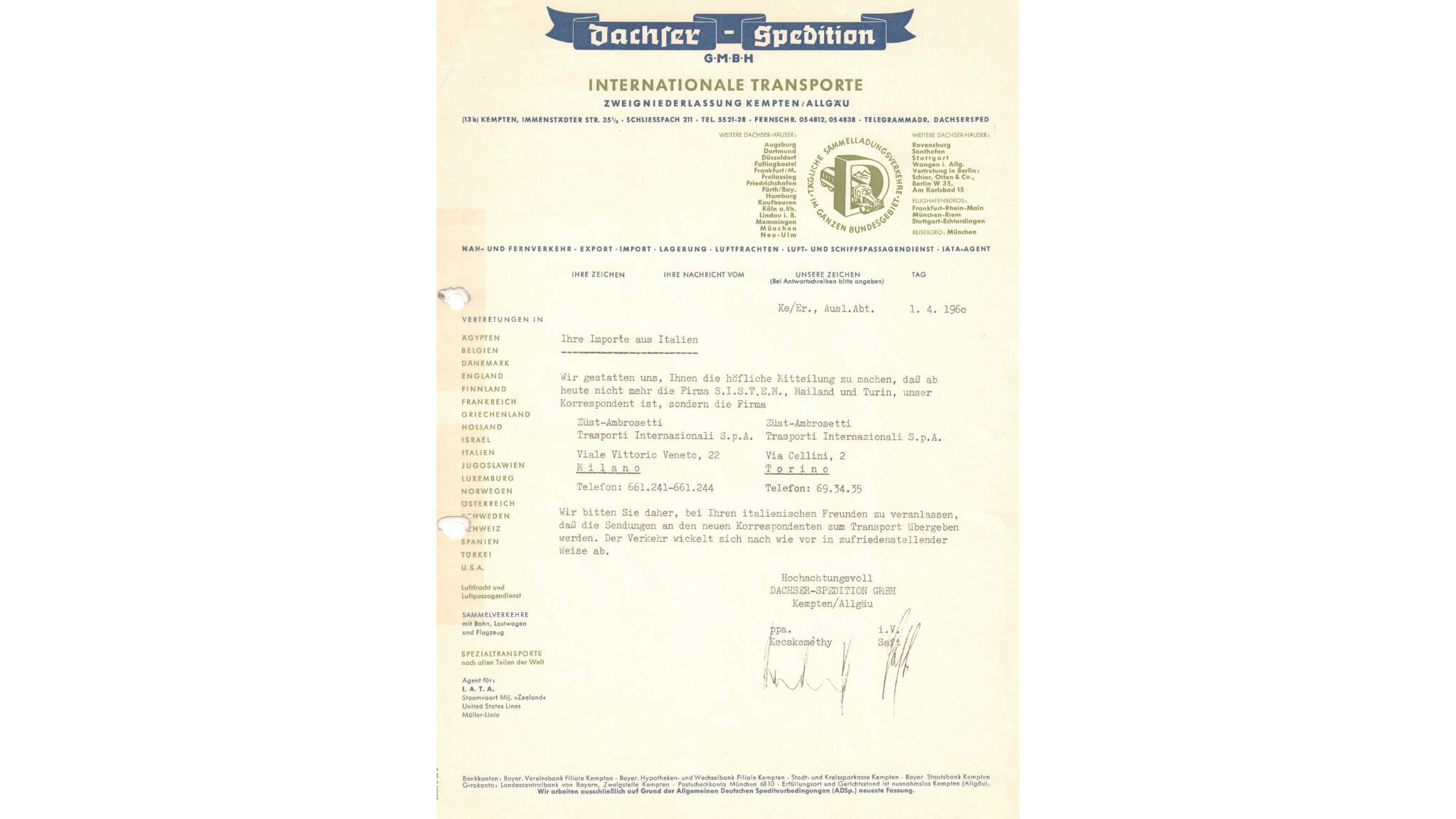
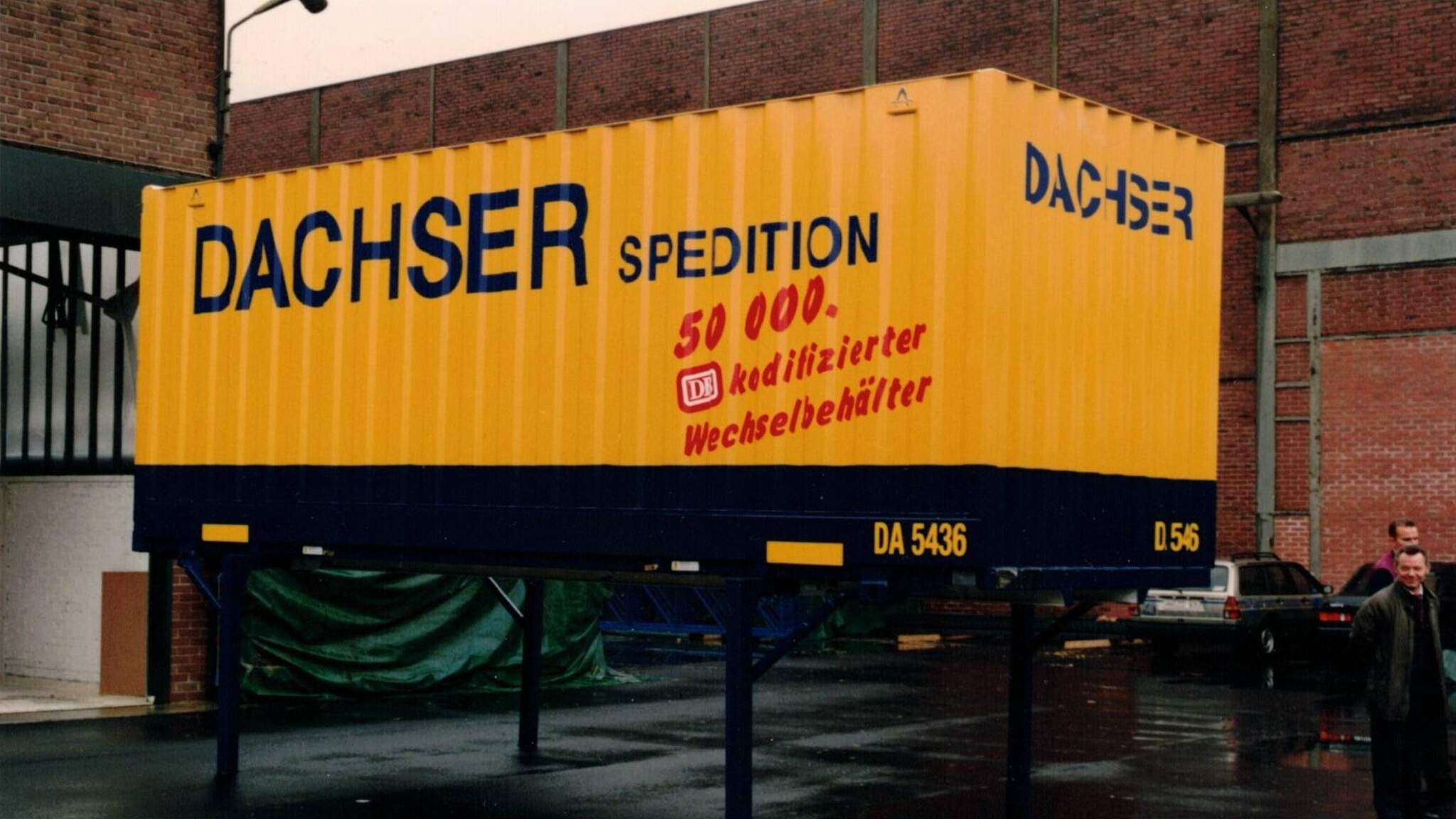
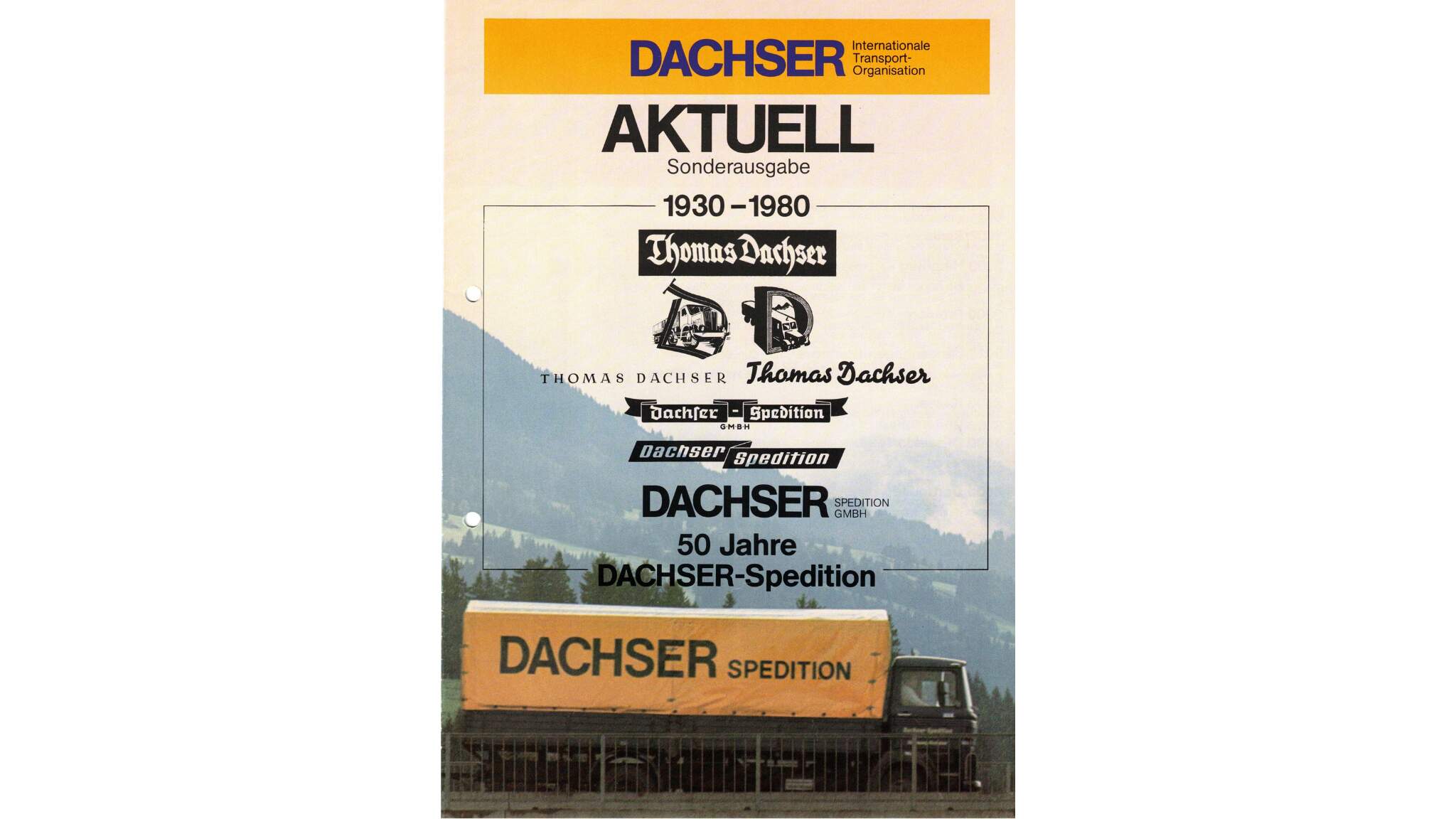
It was not a single entrepreneurial figure who shaped DACHSER’s history, but rather a multitude of key figures who set the course for the company’s long-term development. Importantly, this group included not only men, but also women from the DACHSER family who played an active role. To convey authenticity and historical context, original archival images are used. While these are not perfect, high-gloss visuals, they vividly capture the vitality of the historical moments.

The history of DACHSER is a story of courage and willingness to take the calculated risks, making decisions and pursuing paths that often diverged from prevailing industry trends and mainstream opinions. By identifying opportunities early and consistently capitalizing on them, a local freight forwarding company evolved into a globally active, leading logistics enterprise. Inner strength and the ability to overcome challenges through determination and self-reliance – these have shaped DACHSER’s culture. The foundation for this is value-based, forward-looking corporate leadership and a business model that remains stable and robust even in times of crisis. It is this enduring “legacy” that defines the successive phases of the family-owned company’s development.

Period 1: From a startup during the Great Depression to a leading transportation company in southern Germany, 1930s to the early 1980s

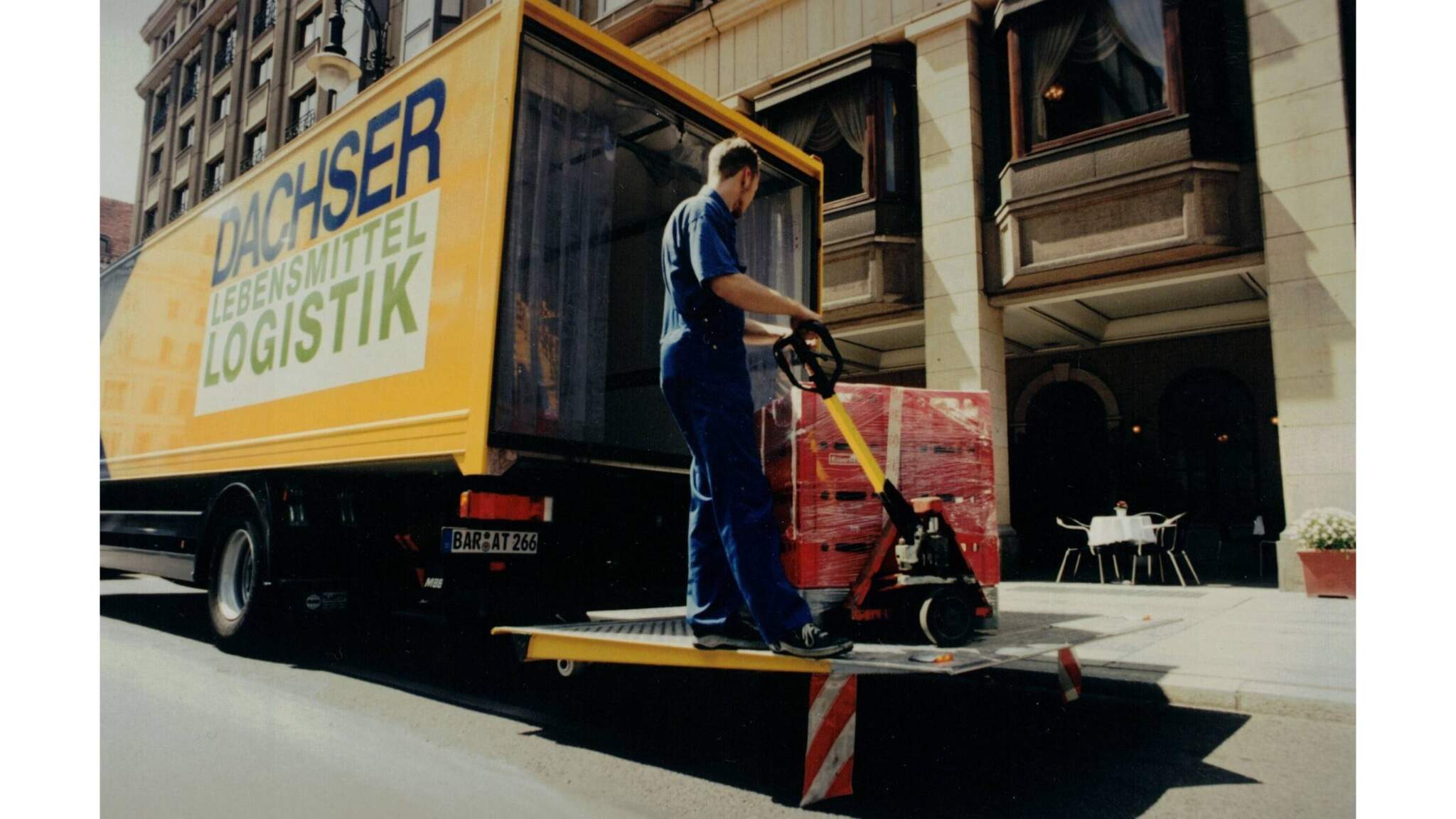
In the midst of the Great Depression, 24-year-old Thomas Dachser founded a one-man trucking company in Kempten, establishing the foundation for DACHSER. By the late 1930s, the company had expanded with its first branch offices in Memmingen and Neuss/Düsseldorf, while regular cheese shipments from the Allgäu to the Rhineland marked the early focus on Food logistics.
From an early stage, both strong branch managers and Dachser’s wife, Anna Dachser, played a key role in shaping the company’s leadership. War and reconstruction, the establishment of additional branches, the “Economic Miracle,” and the integration of Europe subsequently laid the foundation for sustained growth and drove the company’s ongoing transformation.

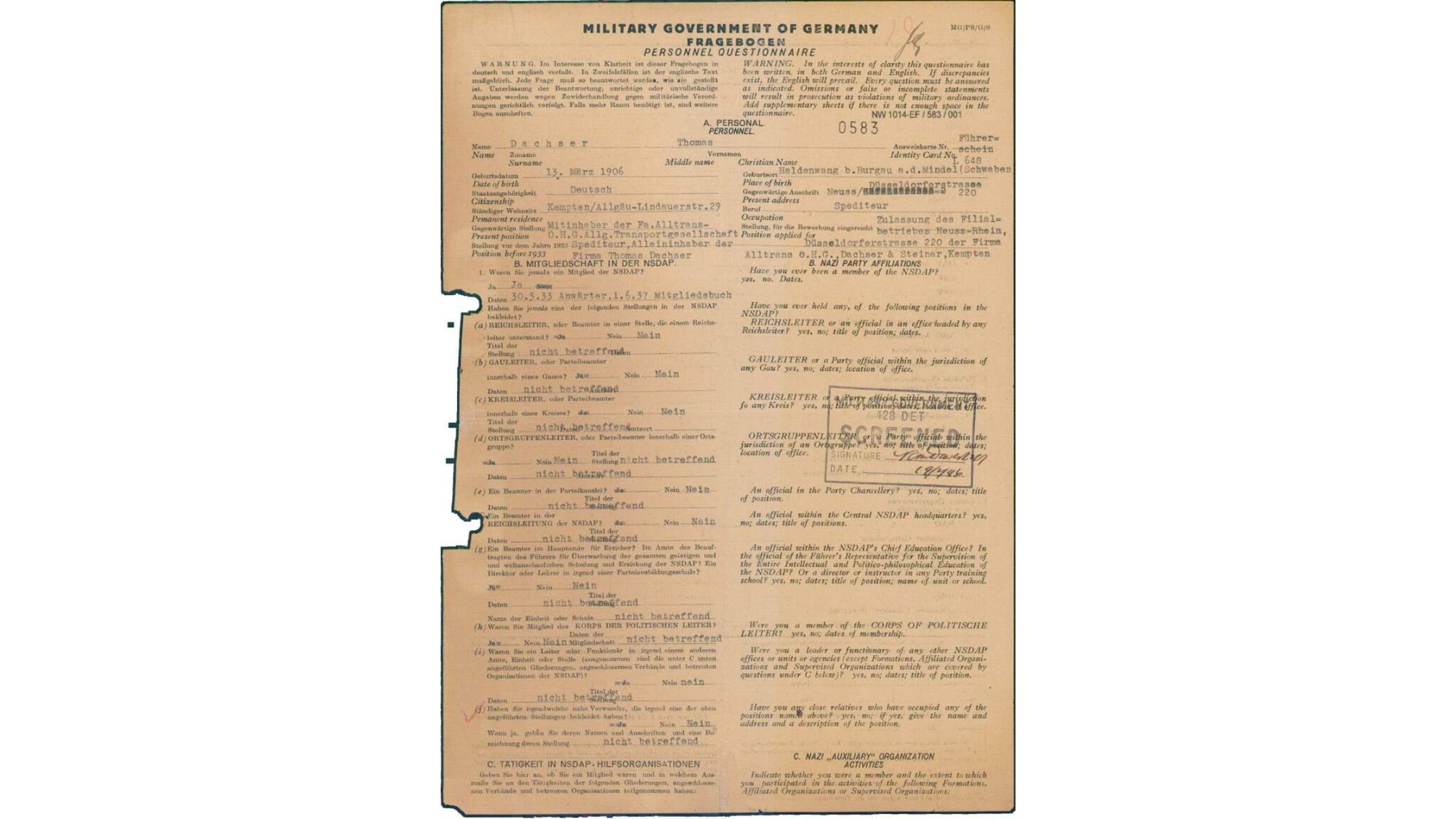
The Nazi era, with the economic revival brought about by the Four-Year Plan and government economic policies, also marked an upswing in Dachser’s freight forwarding business. The company benefited from the enormous growth of the freight transport market that began in 1932/33, and gradually evolved from the one-man operation into a small business, in which Anna Dachser assumed an active role in management after her marriage in 1935, and which employed eight staff members and ten workers by 1936. The first branch office had been established in Memmingen in 1934, followed by a second branch in Düsseldorf/Neuss in 1937. These developments enabled DACHSER to position itself alongside other freight forwarders in the Allgäu freight forwarding industry. Like many entrepreneurs, Thomas Dachser opportunistically and apolitically adapted to the Nazi regime. In May 1933, he joined the NSDAP as a member.

With the outbreak of war, however, the freight forwarding business – which had focused on food transport to the Ruhr region – experienced a sharp decline, leading to the loss of significant long-distance revenue streams. Between 1939 and 1942, revenue was cut in half. This downturn was compounded by the requisition of vehicles from the fleet by the Wehrmacht and a reduction in the workforce, which at times had grown to over 70 employees but was effectively halved due to military service. Dachser also temporarily employed forced laborers – two to three Dutch and French nationals – who were put to work in warehouse operations. Later, in 1942–43, several Russian war prisoners were likewise deployed in Kempten. By 1944, DACHSER faced further setbacks when bombing raids first destroyed the branch office in Neuss and then largely destroyed the headquarters in Kempten. Despite these challenges, Thomas Dachser managed to keep the freight forwarding and warehousing business – which remained vital due to the many corporate relocations to the Allgäu region and for maintaining food supplies and the food situation – alive and to keep the company in the black with the now-dominant local transport revenues.

During the state-controlled allocation of truck loading capacity in the war years, Thomas Dachser was appointed head of the Allgäu transport unit. He was later criticized for this after the war ended. He was initially prohibited by the occupying authorities from managing a business, and his company was placed under a trustee between 1946 and 1948. In the final denazification proceedings in May 1948, he was classified as a “nominal member.” As a result, he was subject to a minor fine, the trusteeship was lifted, and he was reinstated as an entrepreneur.

With this and the tailwind of the currency reform, Thomas Dachser led his company through the years of reconstruction. 

(For further information on DACHSER during the Nazi era and the immediate postwar years, see the study by Paul Erker, “The DACHSER Logistics Company,” published in 2008, pp. 21–30.)
 

In 1952, with the launch of international transport operations, the company underwent its first name change to “Thomas Dachser, Internationale Spedition.” At that time, fixed, state-regulated tariffs and a limited number of long-distance transport licenses set the parameters of transport policy in Germany. Throughout the 1960s and 70s, DACHSER underwent a comprehensive modernization process, both in terms of professionalizing management – with significant contributions from Christa Rohde-Dachser – as well as decisive initiatives by Thomas Simon in vehicle innovations and the systematization of international operations. Annemarie Simon also represented the entrepreneurial family both internally and externally. The shareholder family has thus played a defining role in shaping the identity and distinctive culture of the family business, while simultaneously fostering professional structures that are also strongly influenced by experienced individuals from outside the family.

The foundations for the modern governance introduced later were laid during this period. And more than ever, strong branch managers – acting as entrepreneurial leaders – determined corporate policy. The leadership of the company rested on many shoulders. Thus, even after Thomas Dachser’s death in 1979, the continuity within the family-run business was maintained, and the company successfully continued its growth trajectory with a series of technical and logistical innovations. The problem of the leadership vacuum that the founding patriarch left behind in many post-war companies after his departure did not exist at DACHSER.


Key Milestones in DACHSER’s History (1930 to 1982)

  • 1930: Thomas Dachser founded a trucking company in Kempten.
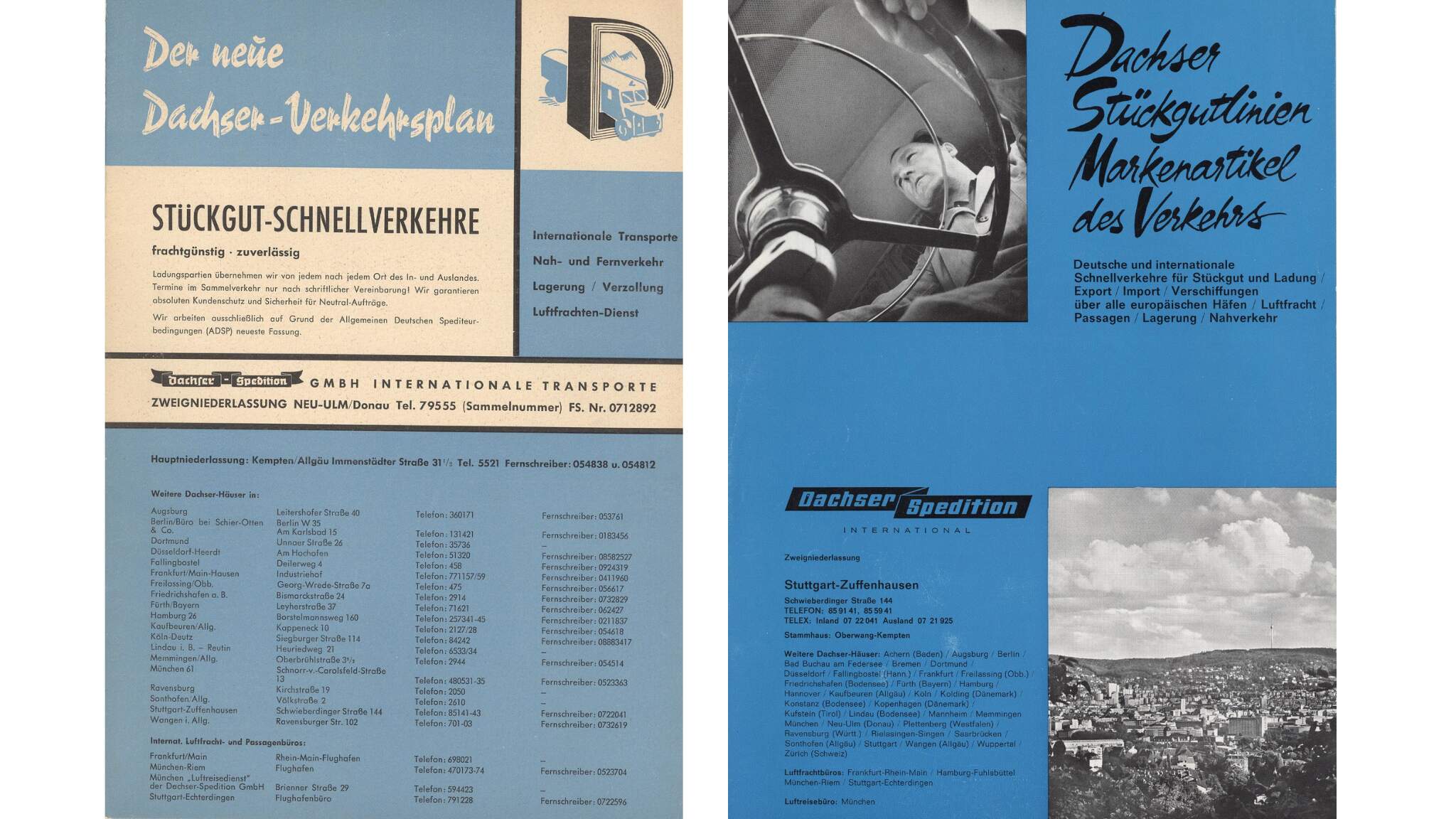
  • 1948 to the 1950s: Reconstruction of the branches largely destroyed during the war, as well as the establishment of new branches in southern and western Germany (including Wangen, Frankfurt, Lindau, Hamburg, Cologne, Munich, and Neu-Ulm). The core of the future DACHSER network takes shape. Expansion as a groupage freight forwarder and promotion of the DACHSER “general cargo lines” as “brand-name transportation services.”
  • DACHSER operates as an international freight forwarder and, in addition to an “international department” in Kempten, has been the first freight forwarder to operate an air freight office at Munich Airport since 1951. The Kaufbeuren branch operates exclusively as an IATA agent handling export and import transactions.
  • 1955: On the 25th anniversary of its founding, revenue stands at 33.085 million DM with a workforce of 720 employees.
  • 1959: Entry into the furniture and moving transport sector. Together with Georg Kolb, Thomas Dachser founded DACHSER & Kolb Möbelspedition.
  • 1967/68: Innovation in service offerings such as “Guaranteed Transport” for general cargo shipments in competition with the main rival, the German Federal Railways. Innovations also in freight forwarding workflows through the use of modern underfloor conveyors and telescopic conveyor belts, as well as lifting platforms and forklifts – that is, the extensive mechanization of loading and unloading processes, which until then had been carried out predominantly by hand.
  • By the late 1960s, the DACHSER branch network consisted of 30 offices spread across Germany. In addition, a number of foreign subsidiaries had already been established in Denmark and Switzerland.
  • 1970: On the occasion of its 40th anniversary, DACHSER was undergoing significant transformation. Conversion of the entire fleet to swap bodies, thereby establishing itself as an innovation leader in the groupage freight forwarding sector. Revenue of 177.05 million DM with 1,783 employees.
  • 1974: Acceleration of the establishment of foreign subsidiaries, starting in 1970 in New York (USA), in Luxembourg in 1972, and in the UK, the Netherlands, and Belgium in 1974/75.
  • April 1976: At the age of 70, Thomas Dachser steps down from active management and transfers the majority of corporate leadership to his deputy, Ulrich Weiß, who serves in a dual role as branch manager of Wangen and as general representative for DACHSER.
  • 1979: Thomas Dachser dies.
  • 1980: DACHSER celebrates its 50th anniversary. The company begins developing its own in-house IT applications based on modern communication technologies, most notably the freight forwarding software DOMINO.
  • Revenue of 401.955 million DM with 2,364 employees.
  • 1981: DACHSER becomes the exclusive German member of the World Air Cargo Organisation (WACO).
  • 1982: The family-owned company launches the DACHSER Food Logistics business unit (initially operating under the name “Frisch-Dienst”) and thus a new product line. In addition, the freight forwarding product portfolio is expanded to include Express, Super Express, Guaranteed, and Fixed-Date services.


1932–1933

Start of regular cheese shipments from the Allgäu to the Rhineland.

1946

During the state-controlled allocation of truck cargo space in the war years, Thomas Dachser was appointed head of the Allgäu transport unit. He was later criticized for this after the war ended.

1948 to the 1950s

Reconstruction of the branches largely destroyed during the war, as well as the establishment of new branches in southern and western Germany (including Wangen, Frankfurt, Lindau, Hamburg, Cologne, Munich, and Neu-Ulm). The core of the future DACHSER network takes shape. Expansion as a groupage freight forwarder and promotion of the DACHSER “general cargo lines” as “brand-name transportation services.”

1951

DACHSER operates under the name “Internationale Spedition” and, in addition to an “international department” in Kempten, becomes the first freight forwarder to operate an air freight office at Munich Airport in 1951. The Kaufbeuren branch operates exclusively as an IATA agent handling export and import transactions.

1970

On the 40th anniversary of its founding, DACHSER is undergoing significant changes. Conversion of the entire fleet to swap bodies, thereby establishing the company as an innovation leader in the groupage freight sector. Revenue of 177.05 million DM with 1,783 employees.

1976

At the age of 70, Thomas Dachser retires from active management and transfers the majority of corporate leadership to his deputy, Ulrich Weiß, who serves in a dual role as branch manager of Wangen and as general representative for DACHSER.

1980

DACHSER’s 50th anniversary. The company starts the development of proprietary, in-house IT applications based on modern communication technologies, most notably the freight forwarding software DOMINO.

1982

The family-owned company launches the DACHSER Food Logistics division (initially operating under the name “Frisch-Dienst”) and thus a new product line. In addition, the freight forwarding product portfolio is expanded to include Express, Super Express, Guaranteed, and Fixed-Date services.

Period 2: The development and mobilization of the network concept

Mid-1980s to the late 1990s

In the mid-1980s, the transportation market was restructured, thereby establishing the freedom to provide services. The resulting free formation of prices and the elimination of licenses fundamentally transformed the market model. Logistics systems, rather than mere transport, came to the fore. During this period, DACHSER underwent a paradigm shift toward becoming a general cargo systems logistics provider. From then on, the top priority was no longer partial loads, but general cargo. Process-oriented networking systems defined the DACHSER business model. Regulations governing the systems no longer schedule departure times solely based on maximizing truck capacity utilization, but rather on pre-determined arrival times. The introduction of a network-wide, systematically functioning schedule with a clear transit time commitment amounts to a “cultural revolution” in logistics.
The prerequisite for this is to subject the logistics processes to comprehensive digitalization. This led to the decision to develop the DOMINO freight forwarding system in-house. In addition, DACHSER’s in-house IT team also programmed a barcode identification system based on the EAN standard – contrary to industry practice at the time, which still relied on company-specific solutions – as well as an automated supply chain event management system. The resulting network discipline formed the foundation of a network quality that gave DACHSER a sustainable competitive advantage.  

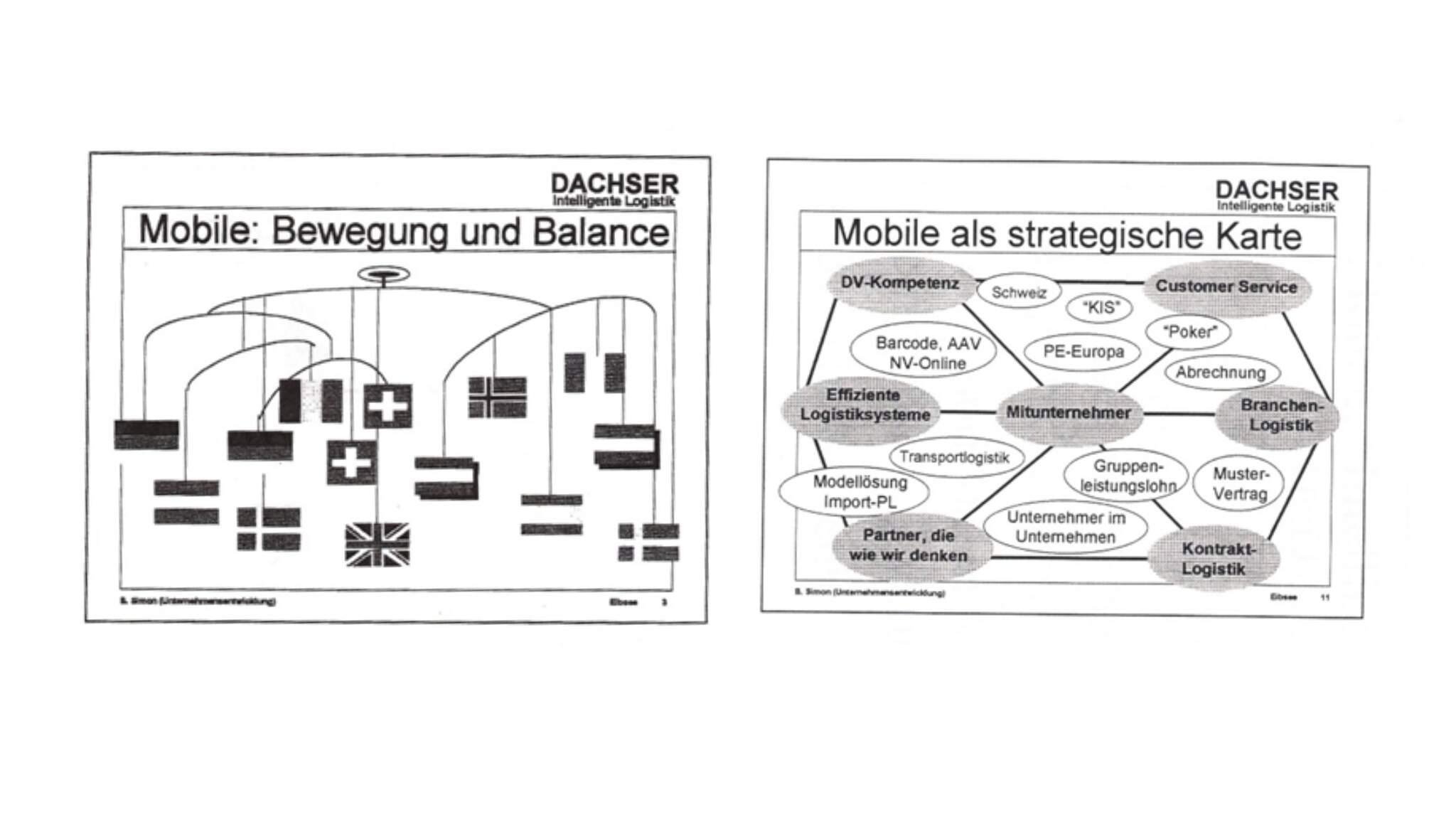
In the mid-1990s, Bernhard Simon, a grandson of company founder Thomas Dachser, took charge of the strategic priority program “Mobilization for Europe” (MOBILE for short) within the newly created division for Strategy and Corporate Development. This marked the true beginning of the network concept on a European scale and its strategic steering and management at DACHSER.

Following the retirement of Ulrich Weiß, the general representative after Thomas Dachser’s death, Gerd Wecker became the Spokesman of the Executive Board in 1989. However, the family members, particularly Christa Rohde-Dachser, continued to play a decisive role in shaping corporate policy and also set the course for a generational transition in corporate leadership, which ultimately culminated in 1999 with the entry of Bernhard Simon – representing the third generation of the family – into the Executive Board.

At the same time, DACHSER realigned its corporate governance structures with the establishment of a board of directors in April 1992, which included Christa Rohde-Dachser, Annemarie Simon, and later Thomas Simon alongside non-family members. In parallel, a fundamental organizational transformation took place – the introduction of a matrix organization, in which division heads henceforth constituted another pillar in the management of the company. At the same time, the “dual system” was created, granting branch managers a special status vis-à-vis the executive board in their entrepreneurial activities. And a continuous process was initiated to further professionalize corporate management and to firmly establish a strategy-oriented corporate policy.


Key milestones in DACHSER’s history (Mid-1980s to late 1990s)

  • 1987: Merger of the two existing DACHSER companies through the founding of DACHSER GmbH & Co. KG and a reorganization of the business divisions, including the establishment of the “Euronational Production and Logistics” division by Jörg Tonn.
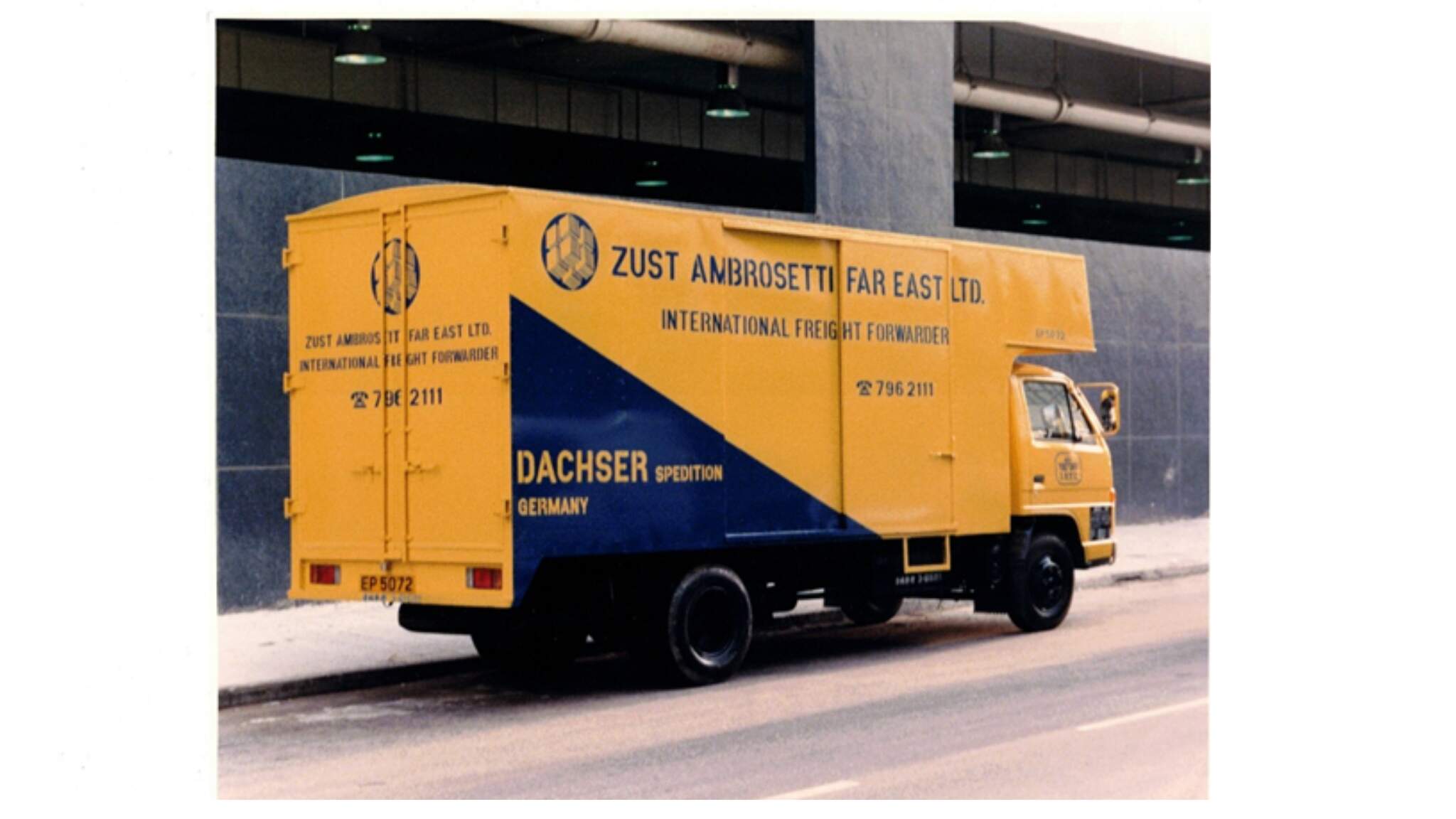
  • 1988: Through company investments in Hong Kong/China and later also in Japan, DACHSER takes its first steps toward expanding its activities in Asia.
  • 1989: Ulrich Weiß steps down from operational management, and Gerd Wecker is appointed as the management spokesperson. The three main branches initially established in Munich, Kempten, and Mannheim – where the respective parts of the management team operated – were eventually consolidated into a single management headquarters in Kempten.
  • 1990: 60th anniversary of the company’s founding. Revenue of 801.661 million DM with 4,572 employees.
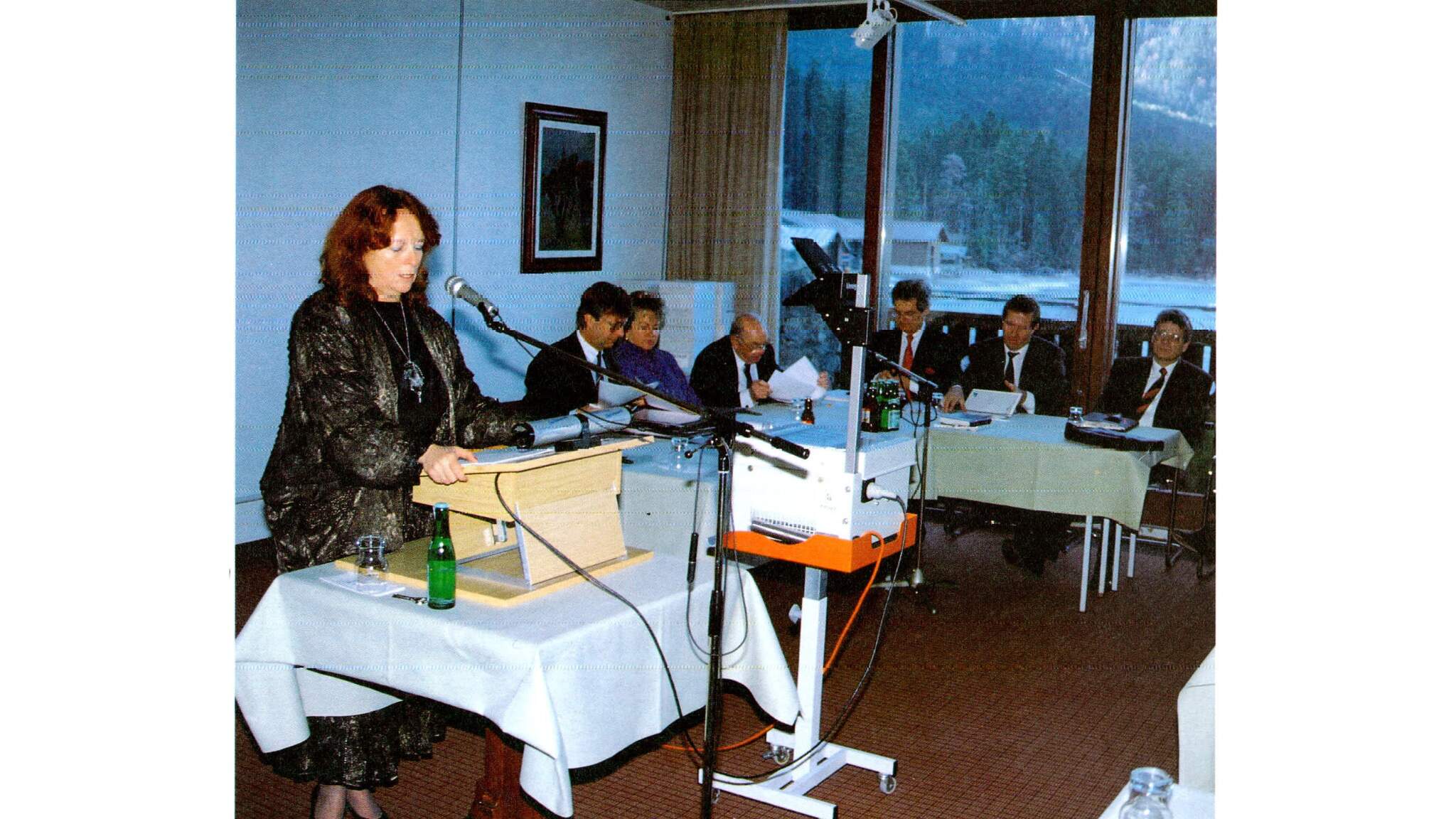
  • 1991: Opening address by Christa Rohde-Dachser at the annual DACHSER Management Conference at Eibsee.
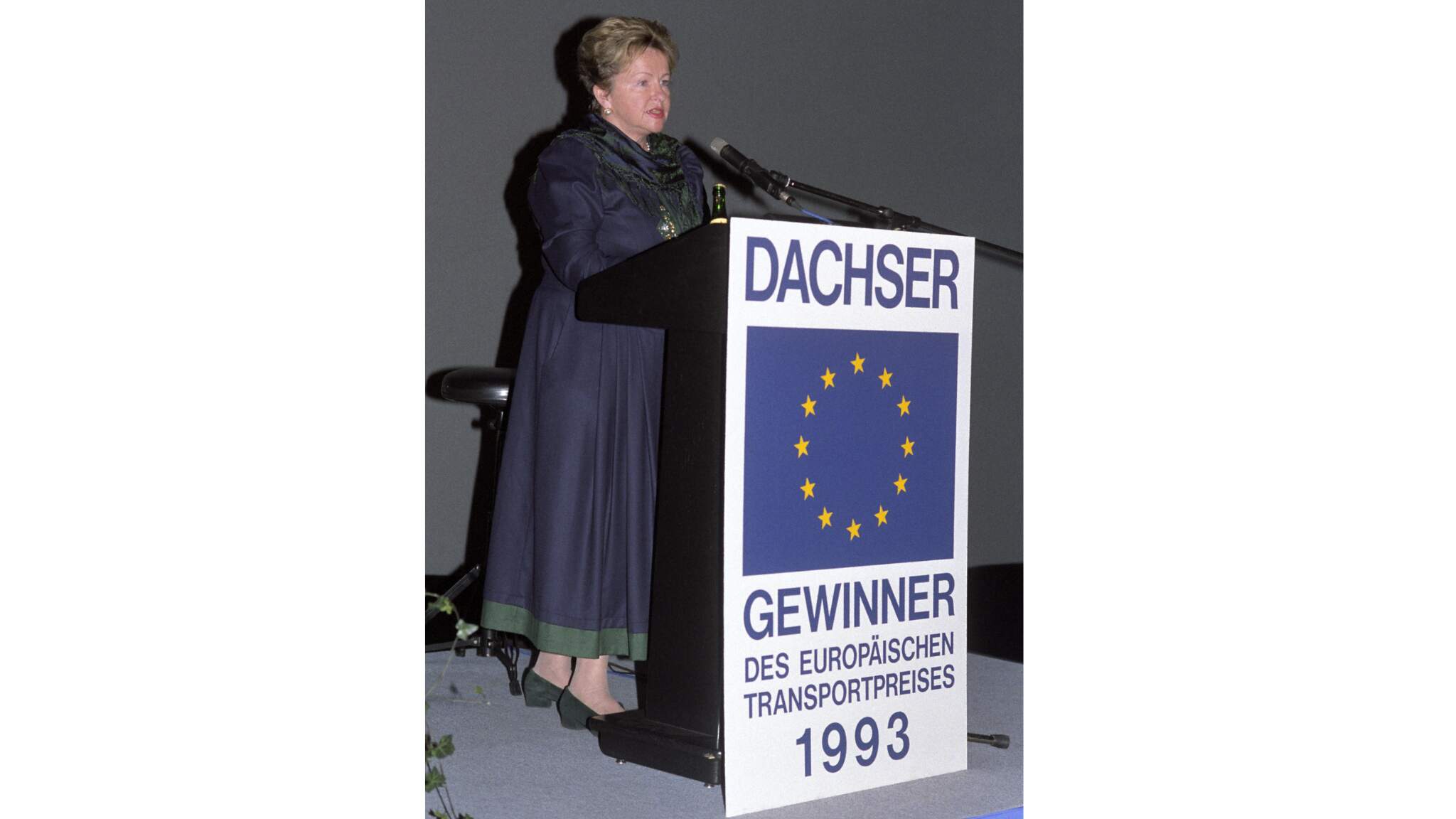
  • 1993/94: The “Intelligent Logistics” logo is created. Expansion following German reunification into the then-new federal states (NBL). DACHSER was the first freight forwarder from the former Federal Republic to demonstrate a strong commitment to the general cargo sector and to establish comprehensive distribution coverage across the NBL. The DACHSER network in Germany now comprises nearly 40 branches. As the initiator of barcode standardization in the form of the global identification system EAN/NVE, DACHSER once again assumes a leadership role in innovation. Awarded the European Logistics Prize.
  • 1994: Expansion of European network activities to Eastern European countries and their integration into the DACHSER network.
  • 1994/95: Launch of the strategic “MOBILE” program, initiated by Bernhard Simon as Head of Corporate Development, marking the actual beginning of the network concept and its strategic control and management.
  • 1996: Establishment and expansion of a process- and production-oriented controlling system to manage freight forwarding processes.

1988

Through investments in companies in Hong Kong/China and later in Japan as well, DACHSER takes its first steps toward expanding its operations in Asia.

1990

60th anniversary of the company’s founding. Revenue of 801.661 million DM with 4,572 employees.

1991

Opening remarks by Christa Rohde-Dachser at the annual DACHSER Management Conference at Eibsee.

1993/1994

The “Intelligent Logistics” logo is created. Awarded the European Logistics Prize for global identification system EAN/NVE.

1994/1995

Launch of the “MOBILE” strategic program initiated by Bernhard Simon as Head of Corporate Development, marking the actual beginning of the network concept and its strategic control and management.

Phase 3: Strategic paradigm shift and internationalization. Expansion and the third generation’s takeover of management

Mid-1990s to 2005

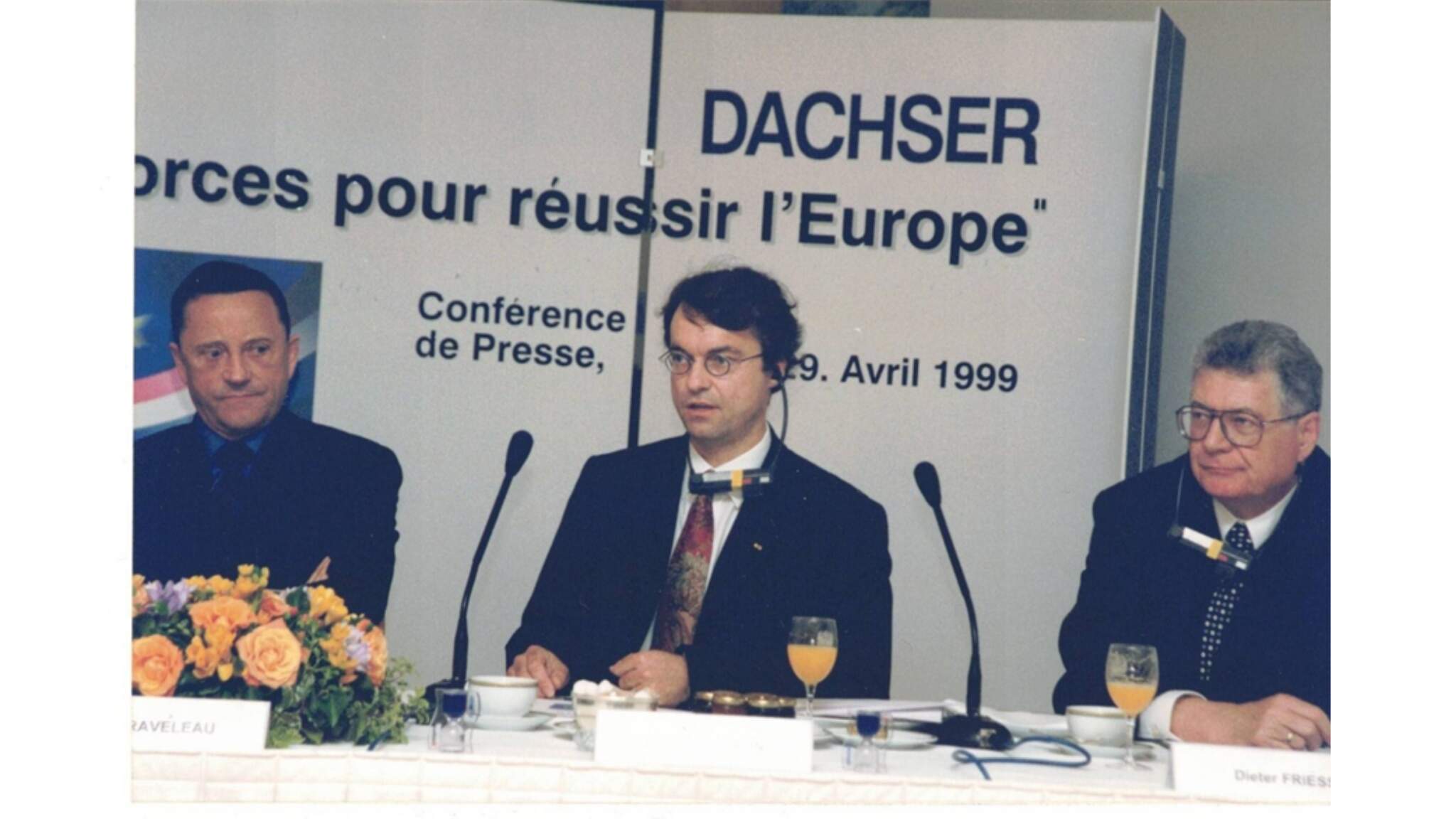
The year 1999 marked the end of DACHSER as a primarily domestic German freight forwarder and ushered in its transformation into a European company. DACHSER acquired one of France’s leading logistics companies Transports Graveleau. This move takes the company’s strategy of covering the entire European single market with its own national organizations to a new level. Instead of focusing on profitable international transport operations, the priority now shifted to building a European freight forwarding network closely integrated with and linked to the German branch network.

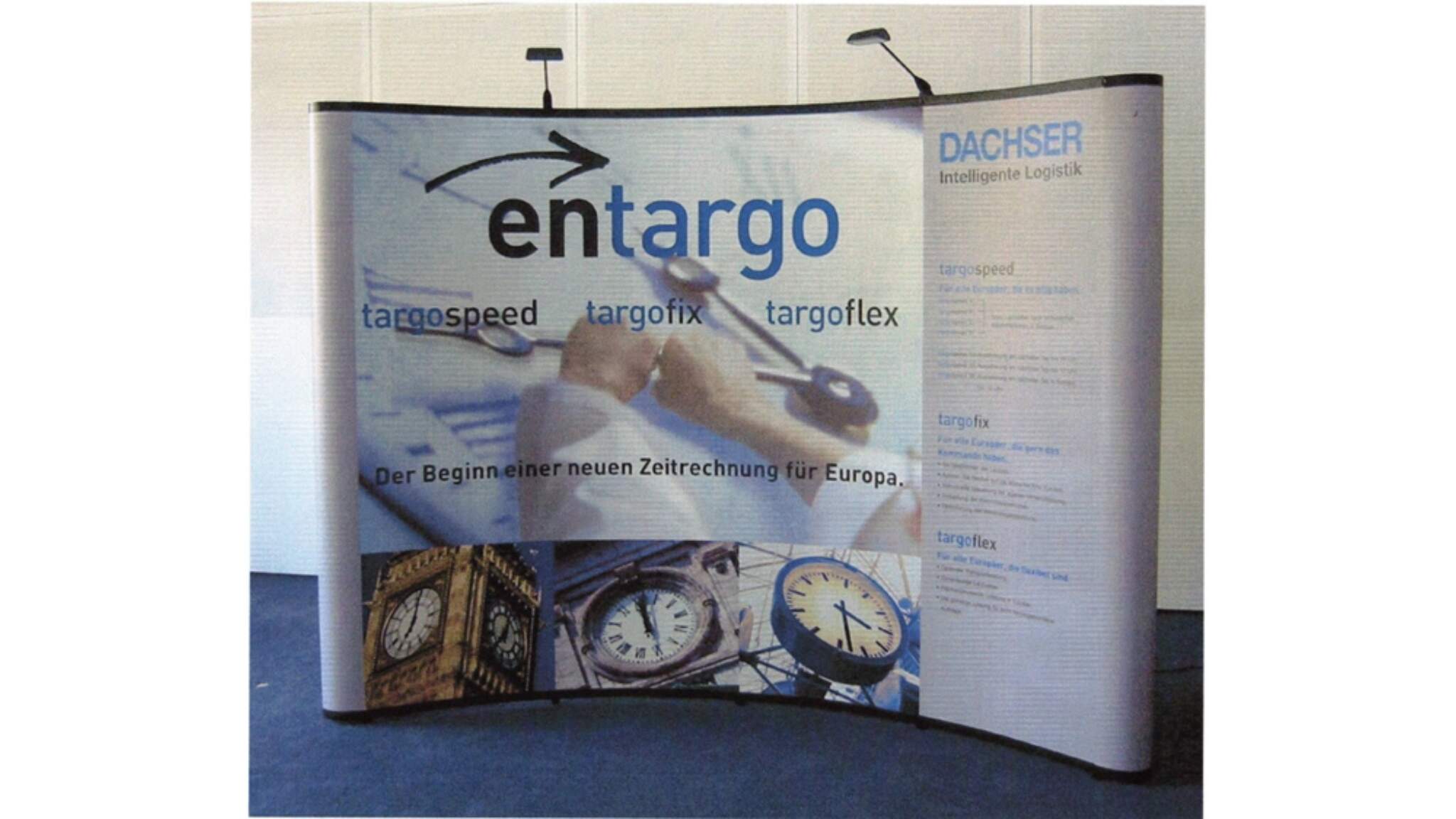
With “entargo,” DACHSER – under the leadership of Birgit Kastner-Simon – rolled out a new product portfolio across Europe featuring clear and consistent service promises. This is followed by a systematic rollout across all European regions based on the same processes, systems, and quality standards. Under the leadership of Michael Schilling, the most deeply integrated European logistics network was subsequently established, setting new standards through in-house site development and numerous acquisitions. Against the backdrop of this integration strategy, the company formulated its mission to become “the world’s most integrated European logistics service provider.”


Key milestones in DACHSER’s history (1930 to 1982)

  • In 1999, Bernhard Simon joined the Executive Board and, together with Prof. Kirsch, played a key role in laying the groundwork for the company’s future European strategy and modern governance. Revenue: 1.131 billion euros; employees: 10,481.
  • 1999: Through the merger and subsequent acquisition of the French logistics company Graveleau – largely initiated by Bernhard Simon – DACHSER enters a new dimension as a pan-European logistics service provider.
  • 2000/2001: DACHSER is the first provider of a supply chain event management tool, the still-unique ActiveReport. Introduction of DACHSER e-logistics as an online product for managing logistics tasks.
  • 2002–2005: Opening of the Eurohub in Überherrn/Saarbrücken as a hub for European traffic and the backbone of European expansion. Further expansion of the European DACHSER network, including through the acquisition of the Haugstedt Group and the resulting new locations throughout Northern Europe. The key driver is Michael Schilling, Managing Director of the European Freight Forwarding Organization and Infrastructure division since 2002. He implemented the integration of European systems initiated by his predecessor, Jörg Tonn.
  • 2003: Introduction of the new Europe-wide “entargo” product line and comprehensive rebranding of the DACHSER product portfolio by Birgit Kastner-Simon, who subsequently took over sales management for European Logistics, eventually assuming responsibility for Corporate Global Sales Management at DACHSER in 2005 and driving the company forward with a rigorous brand strategy.
  • 2005: With the appointment of Bernhard Simon, grandson of the company’s founder, as Spokesman of the Management Board and CEO, a shareholder once again heads the company for the first time. Michael Schilling is appointed his deputy in November 2008.
  • 2005: DACHSER celebrates its 75th anniversary. Revenue of EUR 2.006 billion with 13,398 employees, 5,400 of whom are now based abroad.
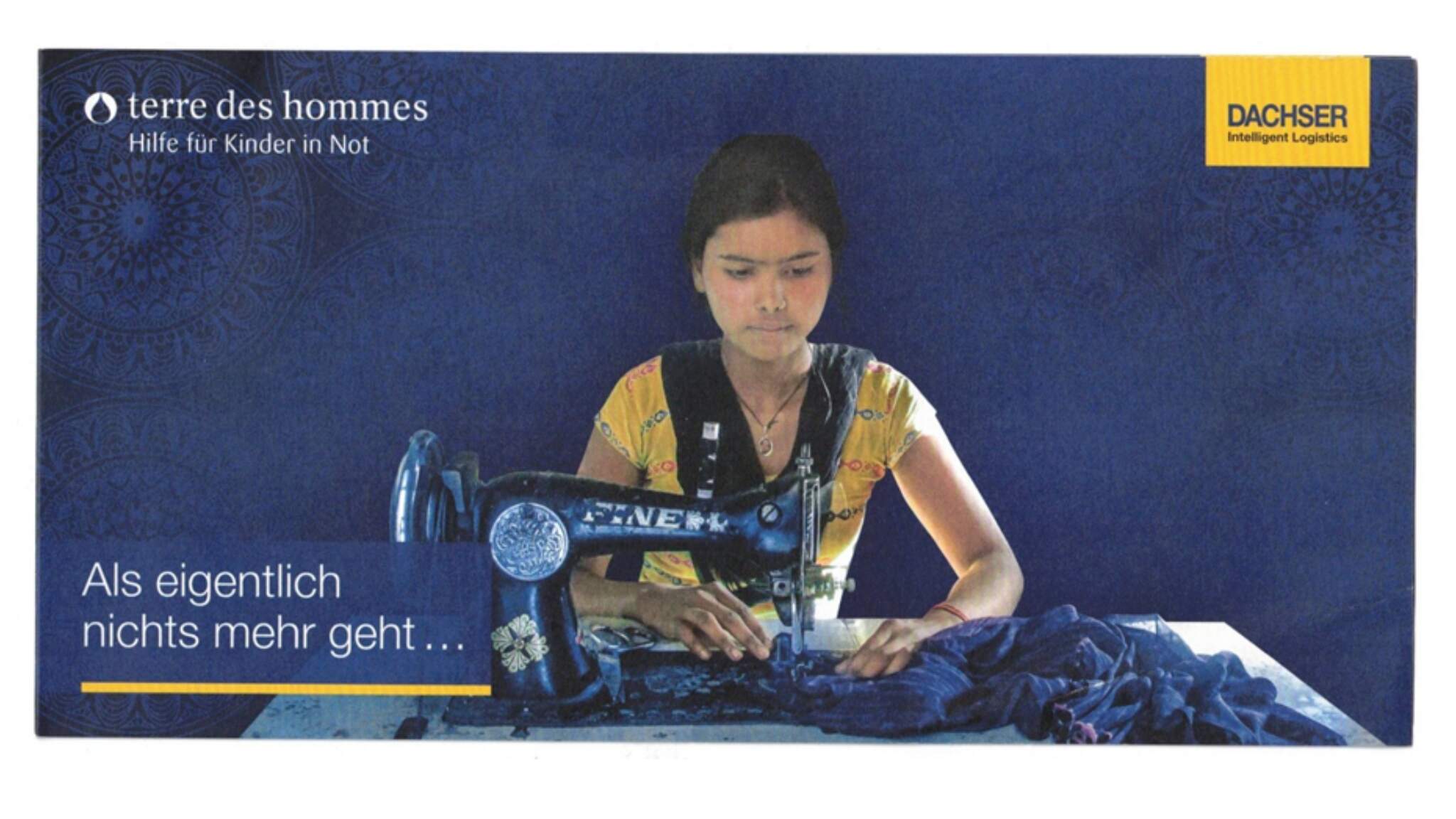
  • In the wake of the 2004 tsunami: Launch of the Corporate Responsibility program through a strategic partnership with the children’s aid organization Terre des Hommes in India. DACHSER is increasingly active in countries outside Europe and assumes social responsibility there as well.

2002 to 2005

Opening of the Eurohub in Überherrn/Saarbrücken as a hub for European transport and the backbone of DACHSER’s European expansion. Further expansion of the European DACHSER network, including through the acquisition of the Haugstedt Group and the addition of new locations throughout Northern Europe.

2003

Introduction of the new Europe-wide “entargo” product line and comprehensive rebranding of the DACHSER product portfolio by Birgit Kastner-Simon.

2005

DACHSER celebrates its 75th anniversary. Revenue of EUR 2.006 billion with 13,398 employees, 5,400 of whom are now based abroad.

Phase 4: Internationalization and reform of corporate governance structures (2005 to 2020)

As a logical next step in the company’s internationalization strategy, intercontinental activities in sea and air freight were further expanded, which became the focus of growth outside Europe. To support the development of seamlessly integrated supply chains that include road transport, the company’s proprietary software, Othello, was rolled out worldwide.

As early as 2007, the family shareholders signed a new, forward-looking partnership agreement governing the transfer of shares from Annemarie Simon and Christa Rohde-Dachser to the third and fourth generations of shareholders. Christa Rohde-Dachser and Thomas Simon stepped down from the supervisory board as family members and handed over responsibility to the third generation.

The creation of a comprehensive governance framework – including a “family constitution” and a mission statement for values-based corporate management – laid a strong foundation for the future. In 2008, Bernhard Simon received the Family Entrepreneur of the Year award, in part for these achievements.

In 2015, the corporate structure was further developed into a European SE. At the same time, Bernhard Simon laid the groundwork for the planned generational transition and the division of responsibilities in corporate management through the current plan of business distribution. This step reflected DACHSER’s increasingly international orientation. The powers and responsibilities of the company – which at this point had over 25,000 employees in 42 countries – were reorganized, including the introduction of business units and corporate directors.

The third major theme of this period was DACHSER’s efforts and activities to address the challenges of environmental issues and sustainability requirements. These efforts date back decades, since at least 2010, a wide range of measures has been pursued both systematically and consistently to take DACHSER’s responsibility as a corporate citizen, to realign the company – with its complex freight forwarding processes – from an environmentally friendly perspective, and thereby adapt the business model to the new challenges.


Key milestones in DACHSER’s history (2005 to 2020)

  • Starting in 2006: Expansion of the intercontinental network in Europe, Asia, and the Americas through the establishment of numerous new Air & Sea locations. In doing so, DACHSER charted its own unique path toward the globalization of its logistics business.
  • 2008: Bernhard Simon received the Family Business Award from INTES and was honored with the LEO Award by DVZ.
  • 2013: Acquisition of the Spanish logistics companies Azkar and Transunion, thereby expanding the network to the Iberian Peninsula, Turkey, and South America.
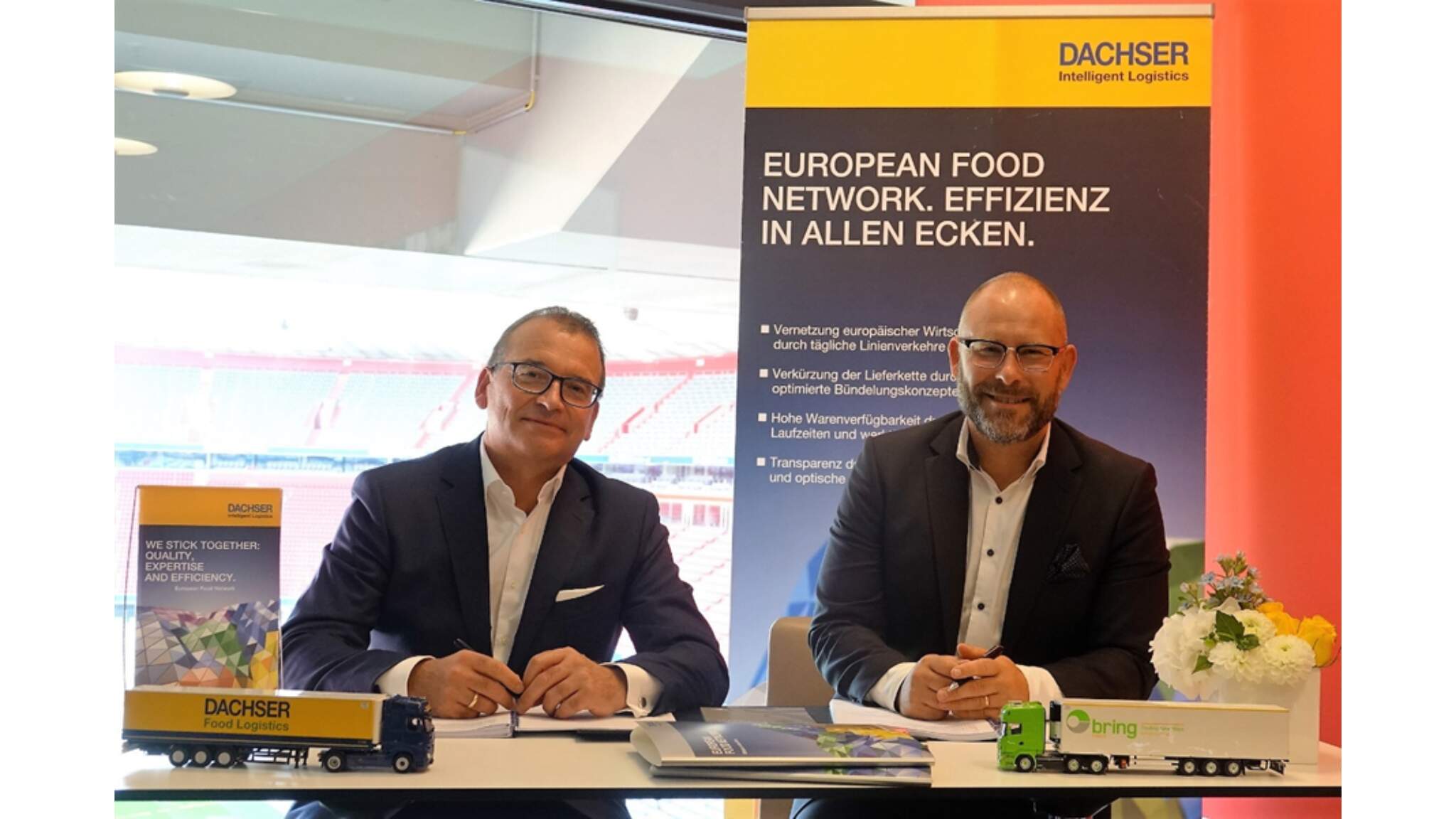
  • 2013: Twelve European food logistics providers founded the European Food Network, led by DACHSER.
  • 2014: DACHSER strengthens its initiative for professional drivers and implements a comprehensive concept for supporting professional drivers through DACHSER Service und Ausbildungs GmbH.
  • 2015: DACHSER changes its legal form to a Societa Europeana (SE). The Management Board and Board of Directors become the Executive Board and Supervisory Board.
  • Formulation of the DACHSER mission: “We create the world’s most intelligent combination and integration of logistical network services and optimize the logistics balance sheet of our customers.”
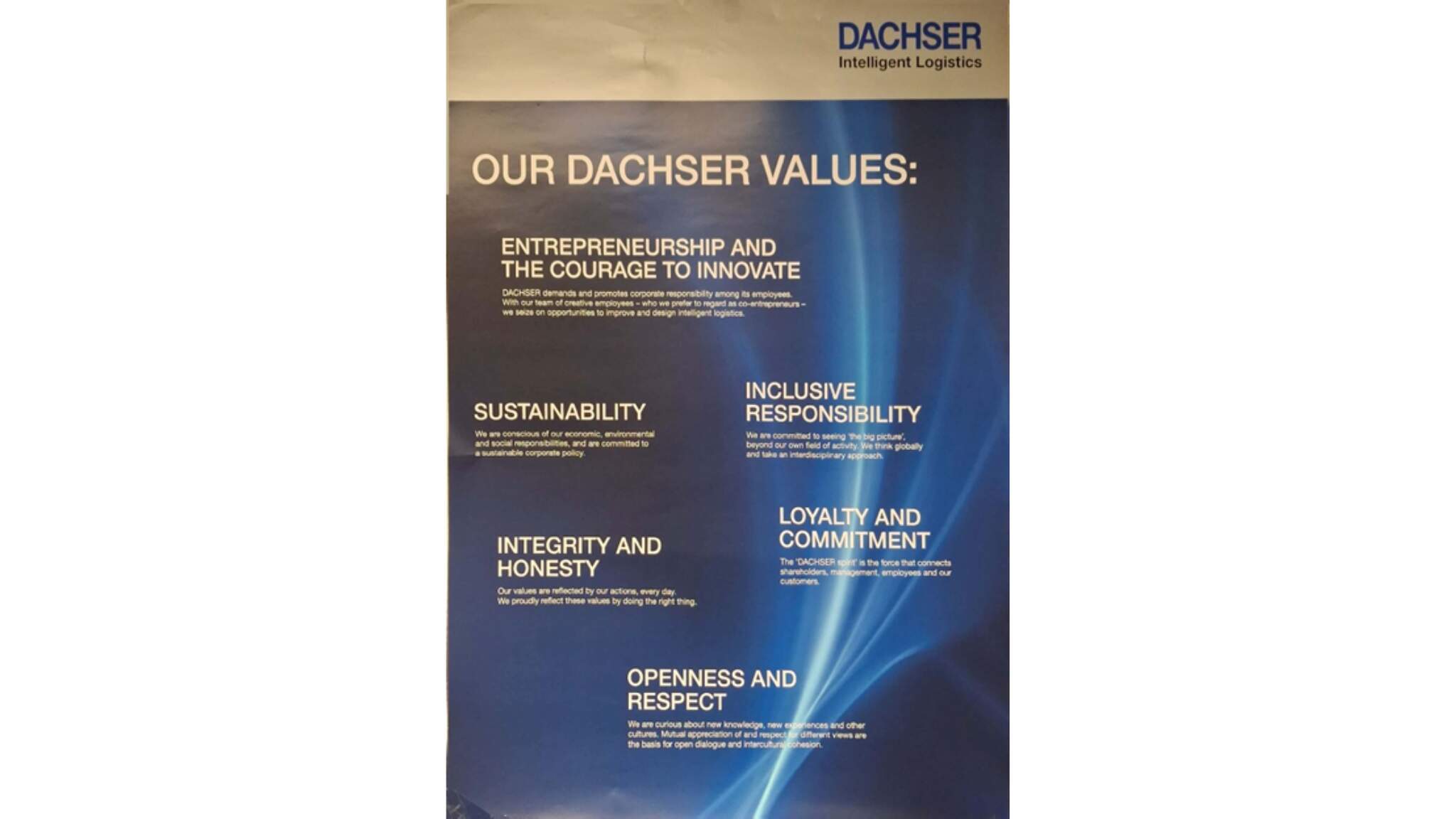
  • Formulation of the DACHSER values: Entrepreneurship and the courage to innovate. Inclusive responsibility. Sustainability. Loyalty and commitment. Integrity and honesty. Openness to the world and respect.
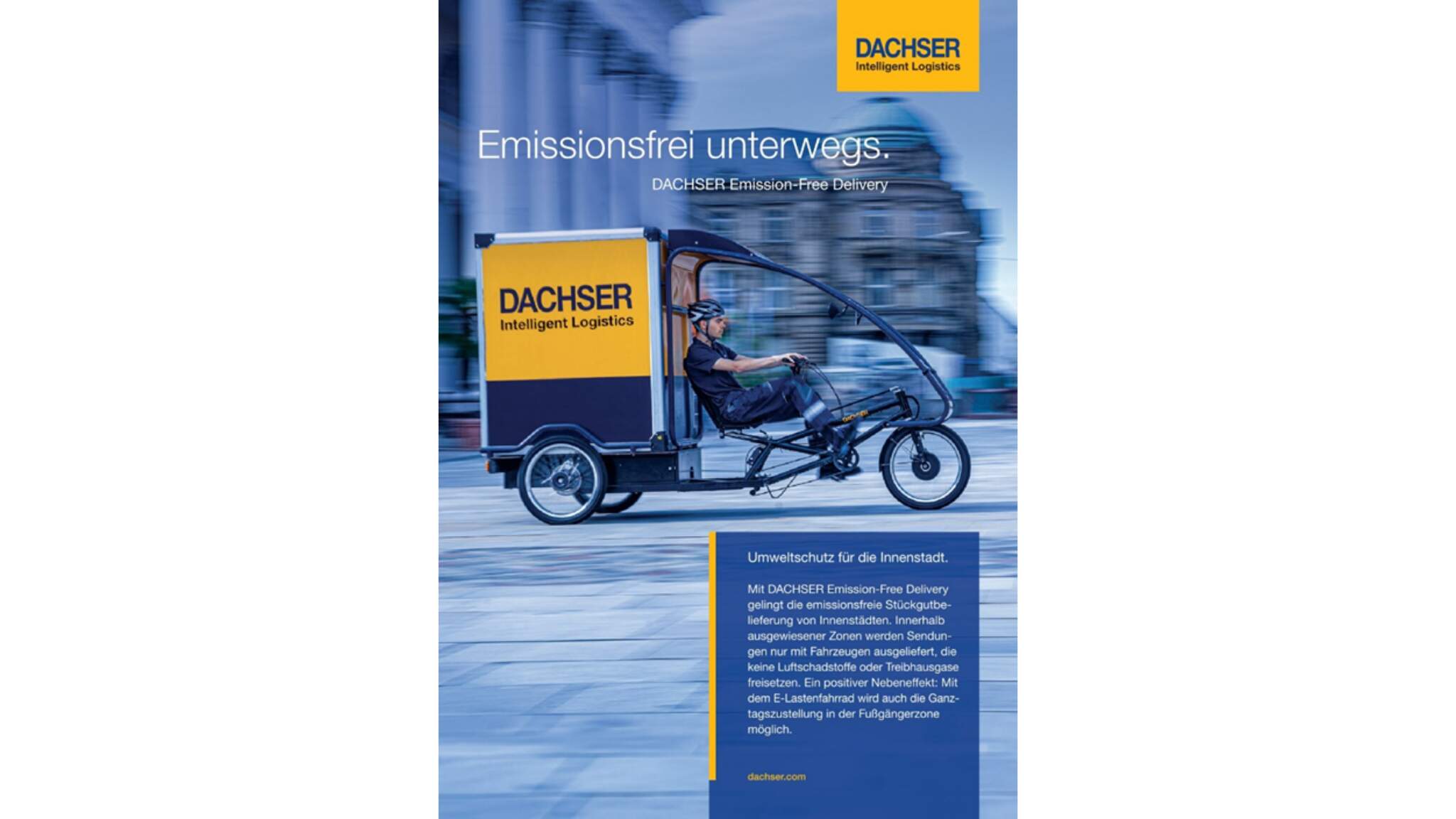
  • 2015: DACHSER launches a project for battery-powered city logistics in Spain, thereby becoming a key driver of e-mobility in the logistics industry. Further projects on the environment and sustainability follow.
  • 2017: DACHSER establishes the Enterprise Lab at Fraunhofer IML. The DACHSER Enterprise Lab complements the company’s own research and development capabilities with key expertise and flexible access to specialists.
  • From 2017: Systematic expansion of a Europe-wide food logistics network through acquisitions and cooperation with or integration of partner companies.
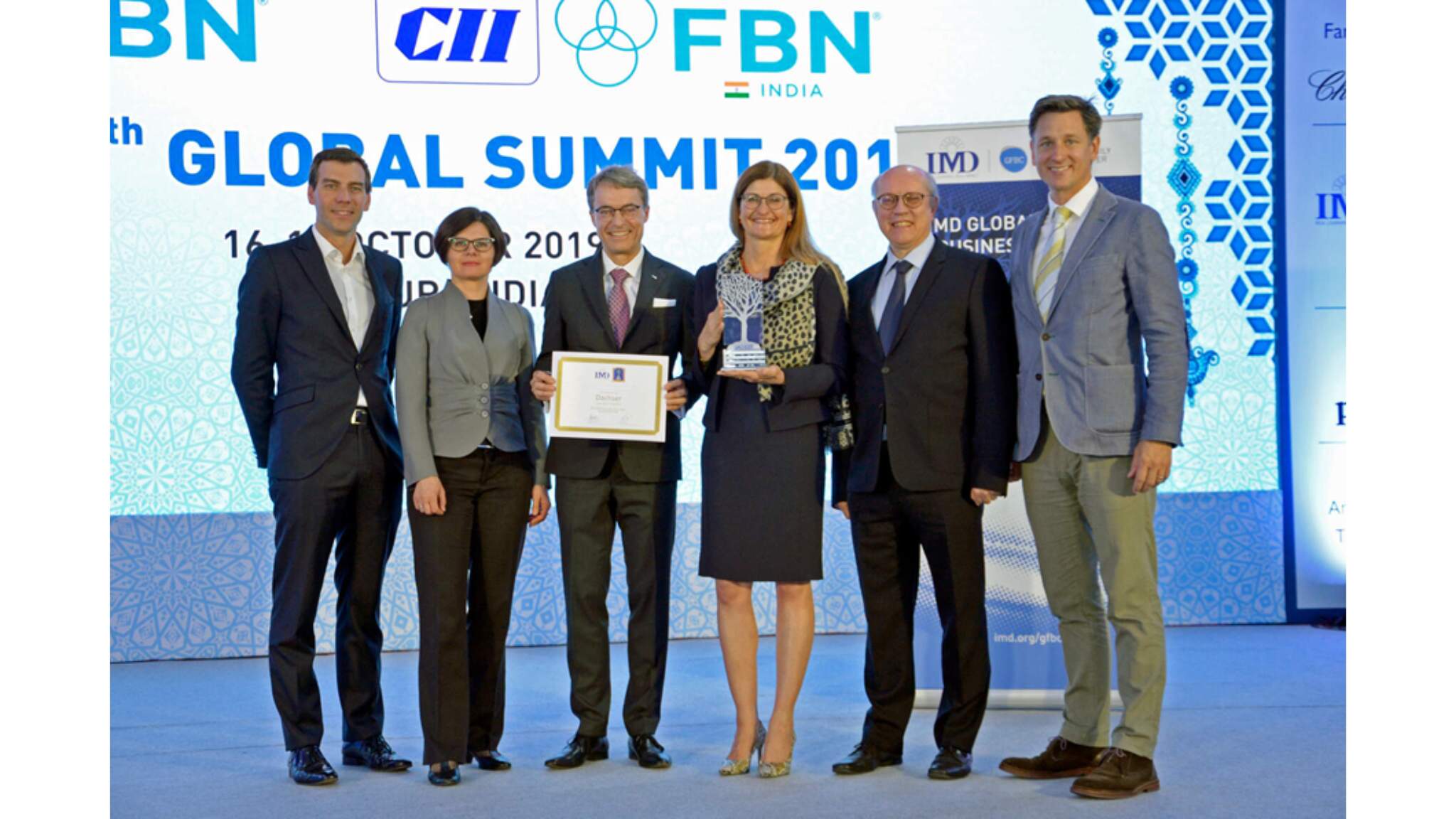
  • In 2019, Bernhard Simon is presented with the Global Family Business Award in Udaipur, which he accepts together with Birgit Kastner-Simon. The award recognized the exemplary implementation of governance that is respected beyond the company’s boundaries, the assumption of social responsibility as a company, and dynamic, innovative growth.
  • 2018: With its zero-emission general cargo delivery service in downtown Stuttgart, DACHSER wins the national Sustainable Urban Logistics competition.
  • 2020: 90 years of DACHSER. Revenue of EUR 5.572 billion with 30,782 employees, of whom 14,165 – i.e., nearly half – are now based abroad. The COVID-19 crisis causes global supply chains to collapse and presents the transportation and logistics industry – and thus DACHSER – with significant challenges. For DACHSER, one of the lessons learned from the disruption of global goods flows was: “The art lies in building supply networks that are not only efficient but also resilient.” (B. Simon). DACHSER has received numerous letters of thanks from customers for keeping their supply chains operational during the most difficult times. Employees explicitly appreciate the careful implementation of hygiene protocols that prioritize employee safety.

2008

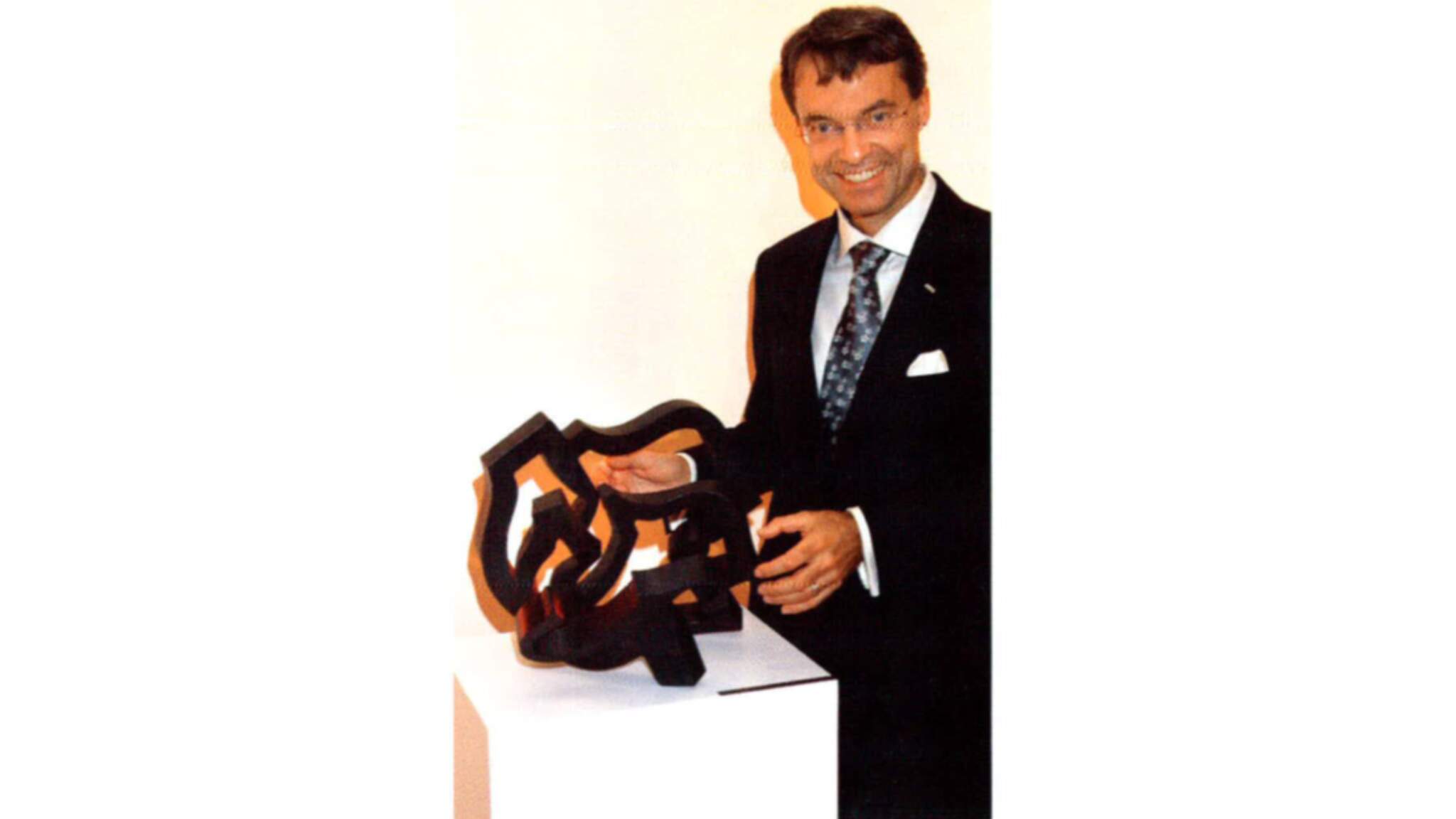
Bernhard Simon received the Family Business Award from INTES and was honored with the LEO Award by the DVZ.

2009

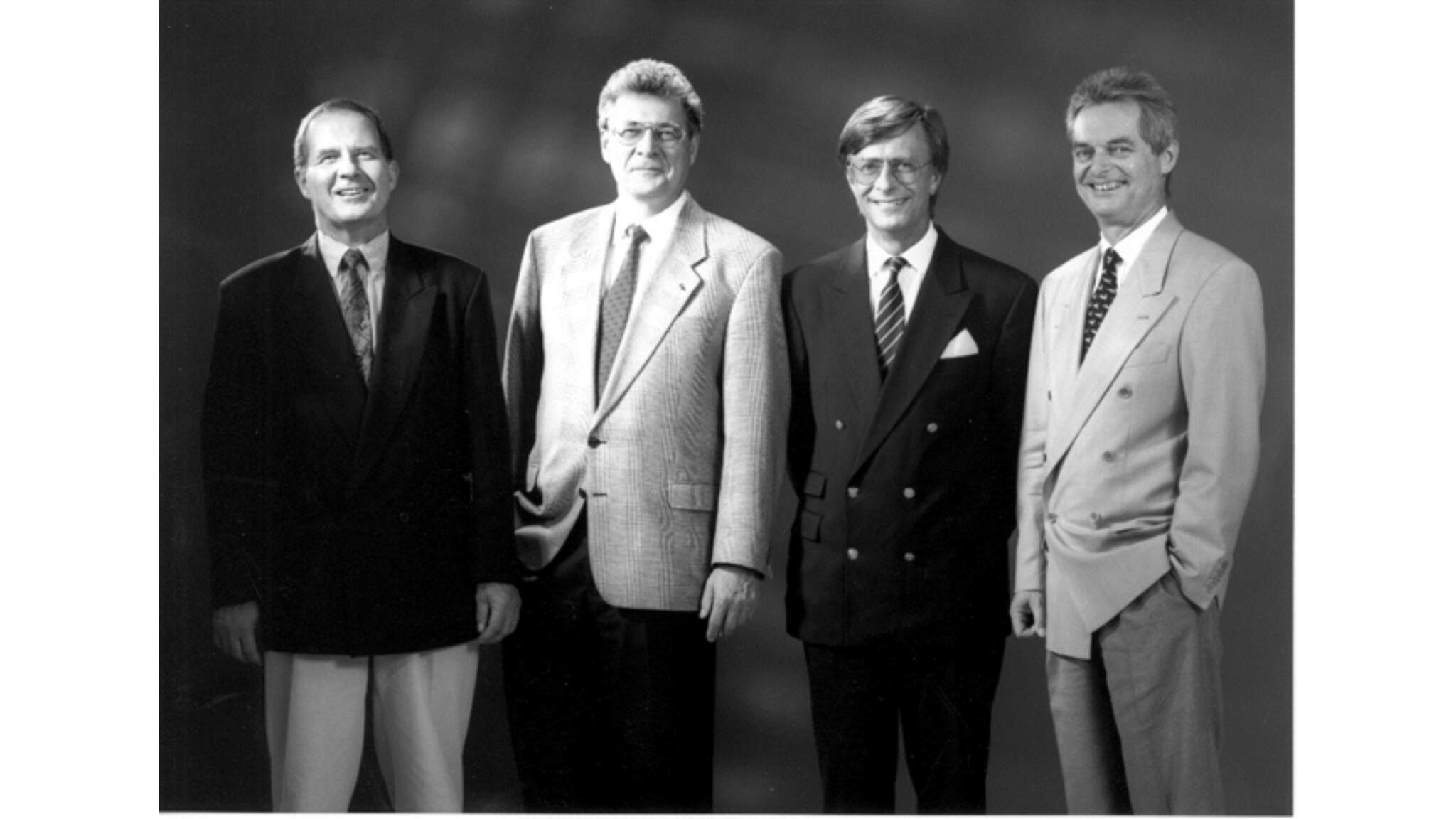
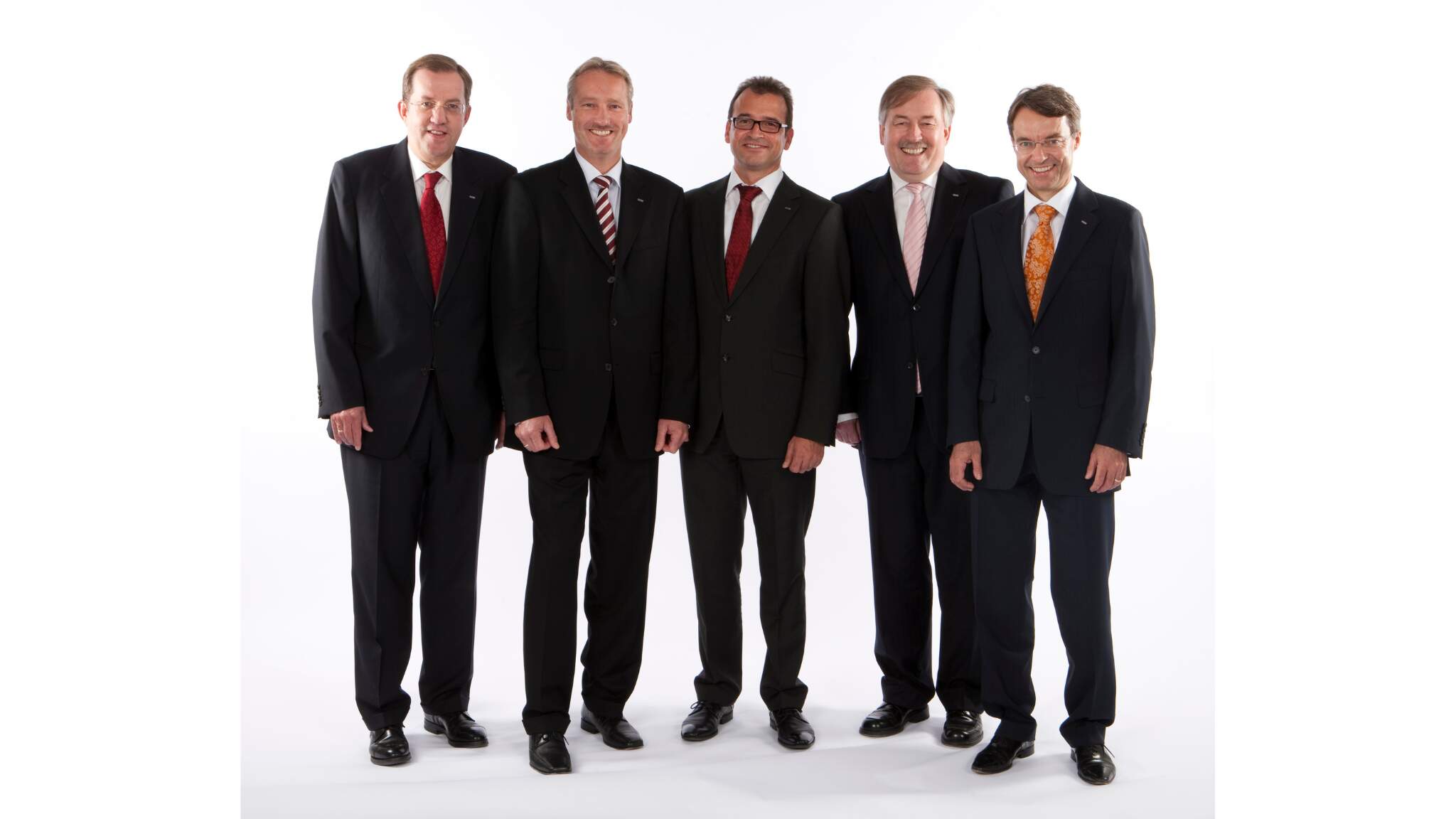
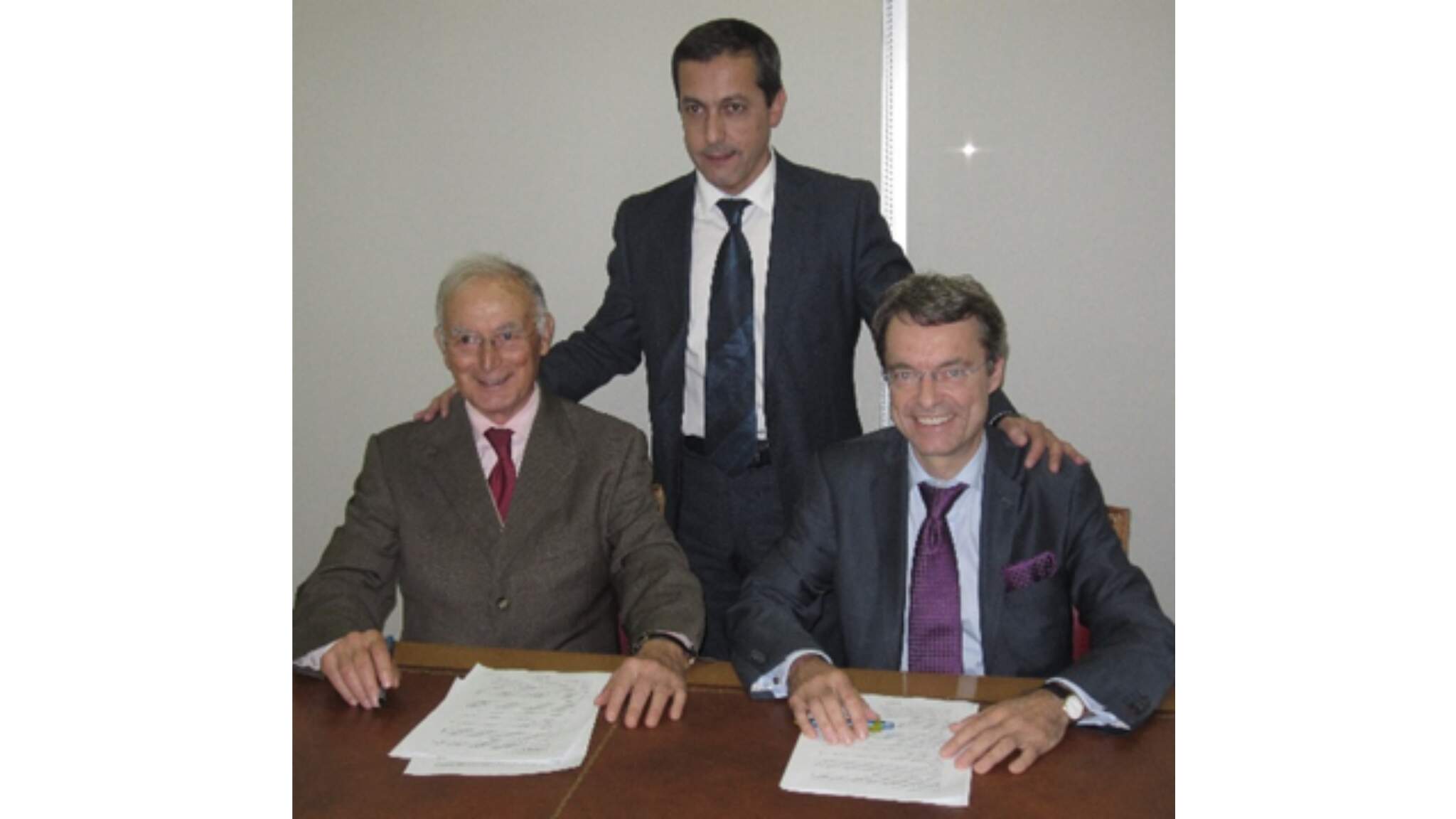
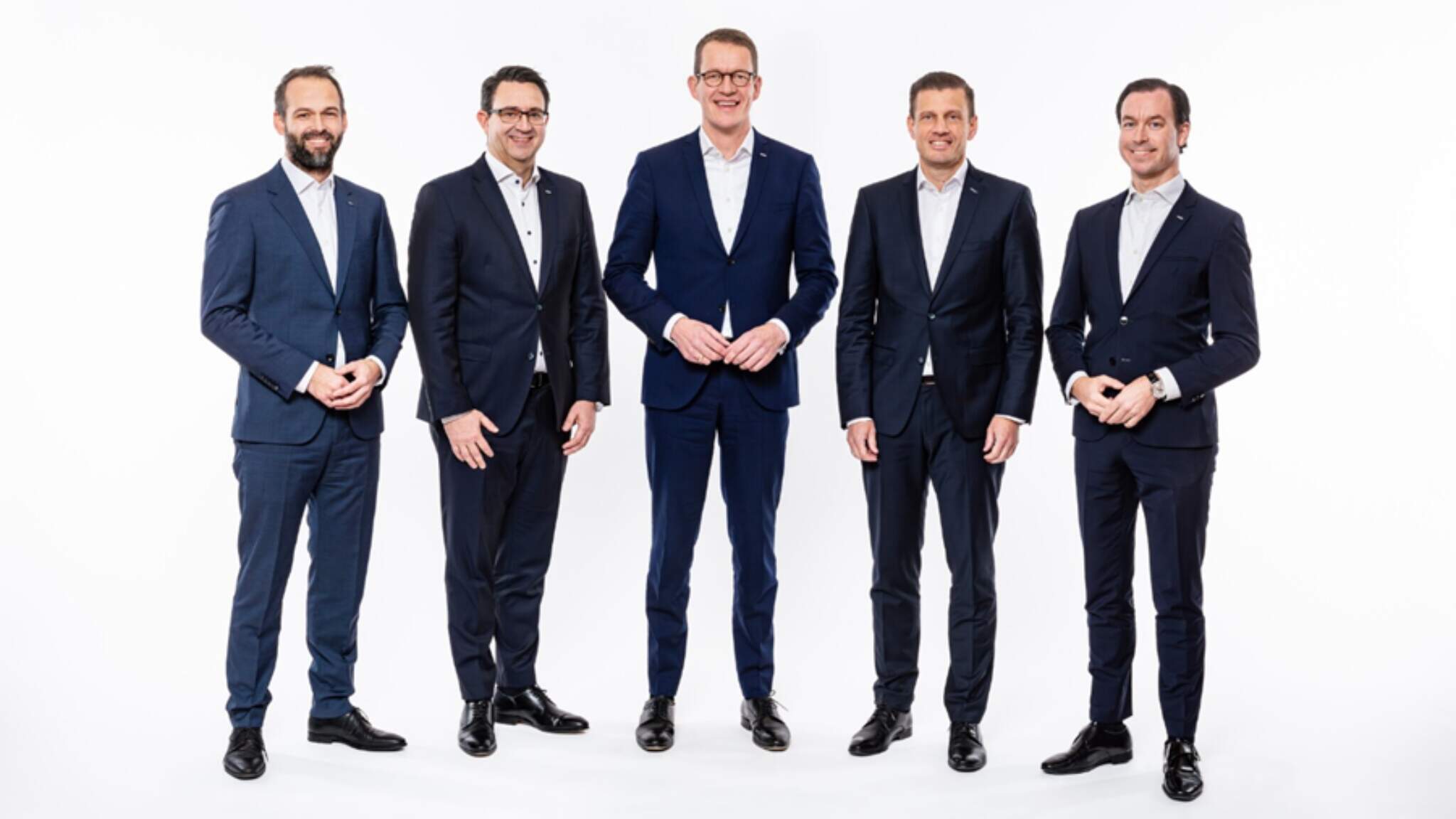
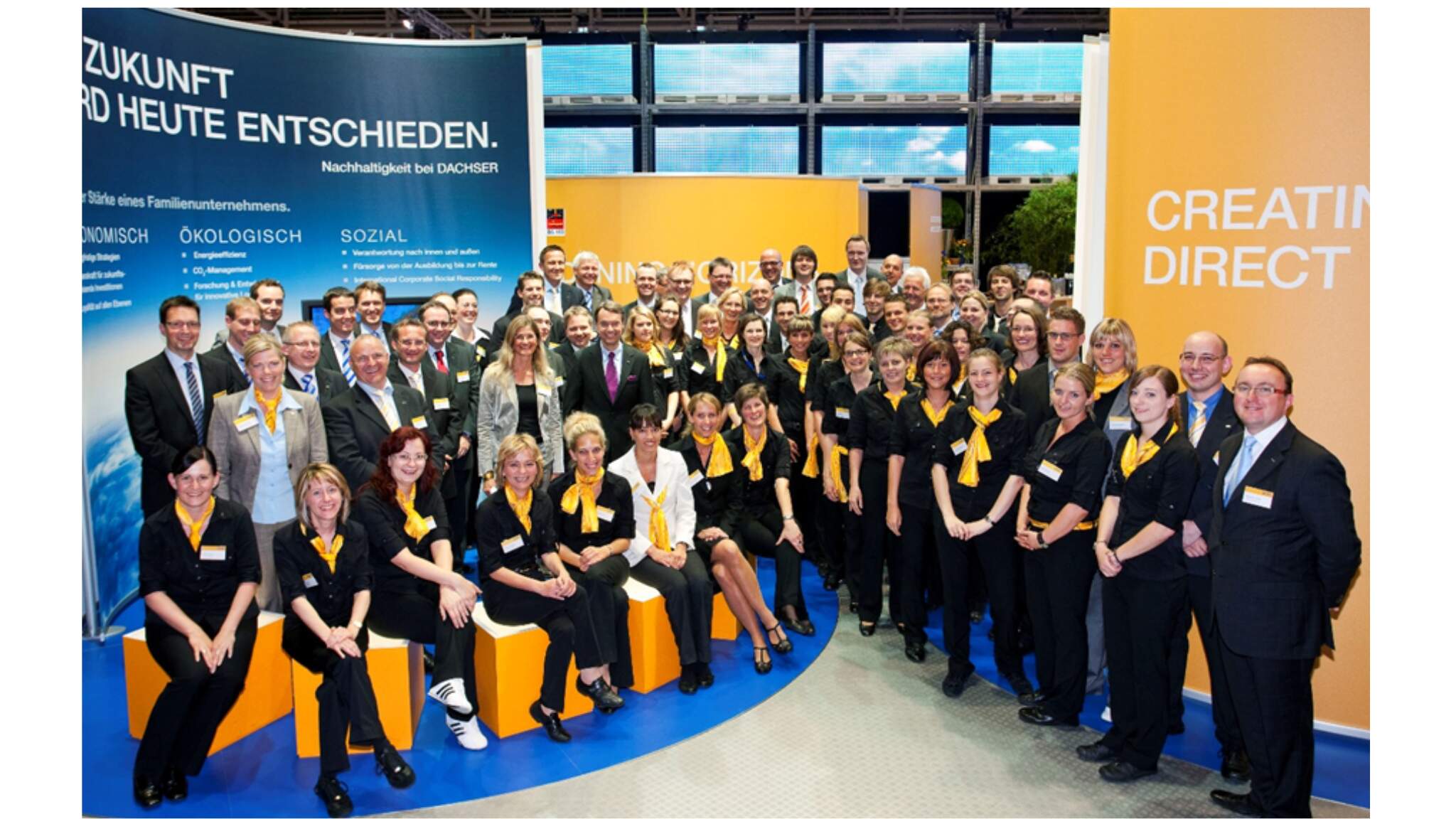
DACHSER’s management in 2009 – working together to further develop the company.

2013

Acquisition of the Spanish logistics companies Azkar and Transunion, thereby expanding the network to the Iberian Peninsula, Turkey, and South America.

2013

Twelve European food logistics providers founded the European Food Network under DACHSER’s leadership.

2015

DACHSER Mission: “We create the world’s most intelligent combination and integration of logistical network services and optimize the logistics balance sheet of our customers.” DACHSER Values: Entrepreneurship and the courage to innovate. Inclusive responsibility. Sustainability. Loyalty and commitment. Integrity and honesty. Openness to the world and respect.

2015

DACHSER launches a project for battery-powered city logistics in Spain, thereby becoming a key driver of e-mobility in the logistics industry. Further projects on the environment and sustainability follow.

2019

Bernhard Simon is presented with the Global Family Business Award in Udaipur, which he accepts together with Birgit Kastner-Simon. The award recognized the exemplary implementation of governance that is respected beyond the company’s borders, the assumption of social responsibility as a company, and dynamic, innovative growth.

2020

DACHSER celebrates its 90th anniversary. Revenue of EUR 5.572 billion with 30,782 employees, 14,165 of whom – nearly half – are now based abroad.

Phase 5: Transformation of business processes and corporate governance in the context of climate change and sustainability (since 2021)

At the end of 2020, Bernhard Simon transitioned from his role as Chairman of the Executive Board to the Supervisory Board. Michael Schilling also stepped down from the Executive Board and assumed responsibilities on the Supervisory Board. This marked the beginning of a comprehensive and long-planned generational transition. The shift toward an Executive Board composed entirely of external members would inevitably lead to a certain cultural transformation. The influence on the “how” of corporate management and the values practiced by the family-owned company were now ensured by an active Management and Supervisory Board. In addition, the appointment of Hans Freudenberg to the Supervisory Board brought a fresh perspective. The new board saw itself as a “strategic sounding board” for the Management Board.

To ensure the family-owned company’s ability to innovate and continue its digital transformation for the future, the Supervisory Board created the new Executive Board division CRSD (“Corporate Research, Solutions & Development”).

The new CEO was Burkhard Eling, who has served as CFO since 2013 and has worked very closely with Bernhard Simon and Michael Schilling.

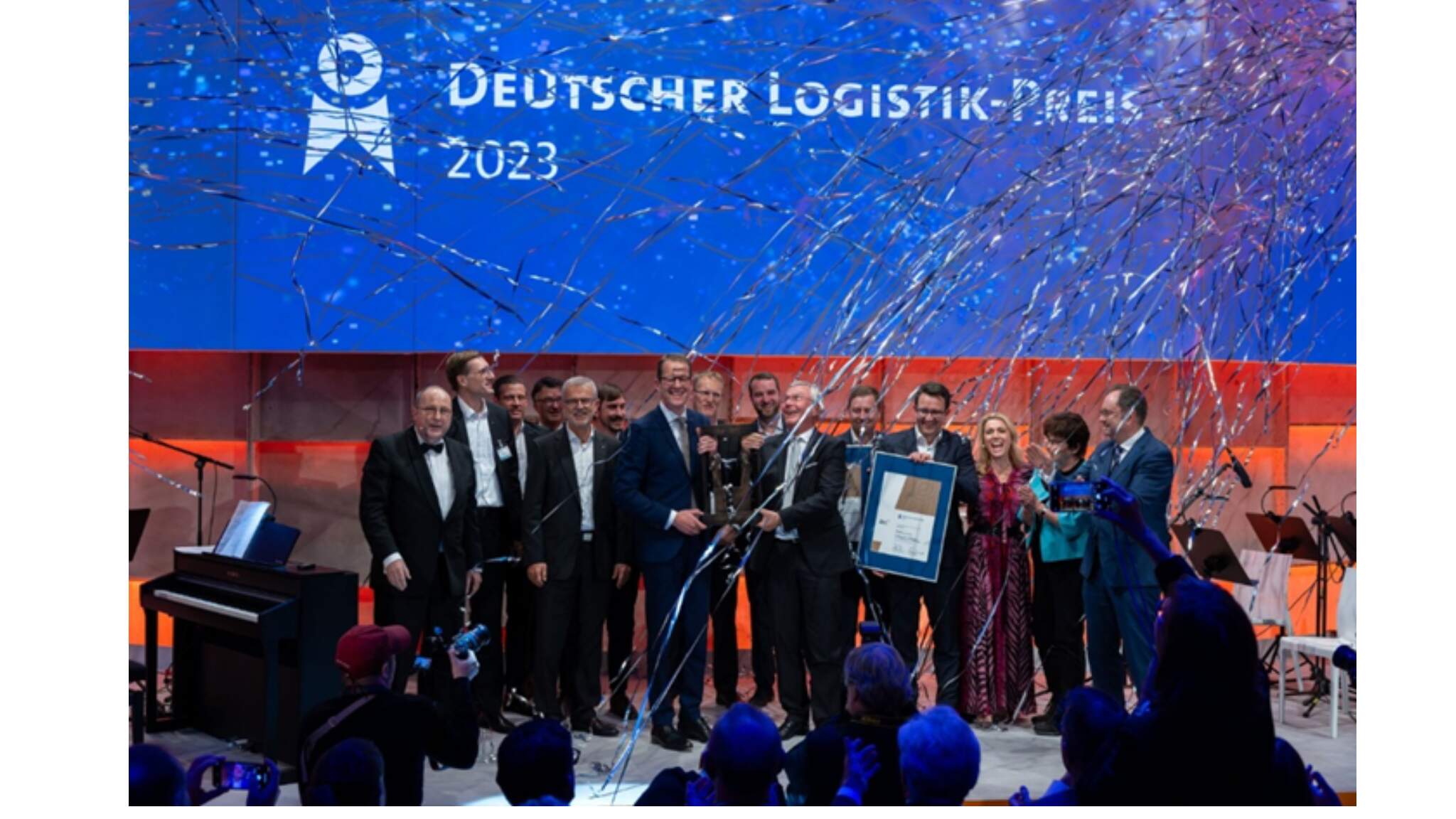
DACHSER and the Fraunhofer Institute IML received the Logistics Award for the “digital twin,” which is revolutionizing transparency and efficiency in goods handling. This marks a milestone for the increasing digitalization of logistics.

As a “Strategy Verifier,” the Supervisory Board was much more closely involved in the company’s active operations, which it helped shape. This allowed shareholders to remain broadly involved in the company’s operations without exerting operational influence. The new governance structure helped the company navigate the generational transition while preserving its culture as a family-owned business.


Key milestones in DACHSER’s history (since 2021)

  • 2021: Acceleration of the innovation strategy alongside environmental and sustainability initiatives. DACHSER launches a strategic focus program titled “Climate Protection.”
  • 2023: DACHSER and the Fraunhofer Institute IML received the Logistics Award for the “digital twin”, which revolutionizes transparency and efficiency in cargo handling.
  • 2023: With the acquisition of the general cargo business and an additional minority stake in FERCAM, DACHSER further expands its high-performance land transport network and strengthens its general cargo and contract logistics business in Italy.
  • 2023: Through the acquisition of the air and ocean freight forwarder ACA International, DACHSER expands its own network by six locations in Australia and New Zealand.
  • 2024: Further expansion of the European Food Logistics network (Netherlands, Austria, Scandinavia) through acquisitions, as well as the continued gradual expansion of the European and global network (including in Italy, Australia, Thailand, and Vietnam).
  • 2025: DACHSER celebrates the 20th anniversary of its partnership with Terre des Hommes.
  • 2025: The Logistics Hall of Fame jury honors CDO Stefan Hohm as the mastermind behind DACHSER’s innovation and digitalization strategy and names him Logistics Leader of the Year.
  • 2026: Lisa Simon and Miriam Simon, representing the fourth generation of shareholders, become members of the Supervisory Board.

2023

DACHSER and the Fraunhofer Institute IML receive the Logistics Award for their “digital twin,” which is revolutionizing transparency and efficiency in cargo handling.

2025

DACHSER celebrates the 20th anniversary of its partnership with Terre des Hommes.