DACHSER takes delivery of Daimler Truck’s first next-generation hydrogen trucks
Starting at the end of December 2026, DACHSER will gradually deploy three Mercedes-Benz NextGenH2 Trucks with liquid hydrogen technology at its Karlsruhe logistics center
DACHSER is the first company in the world to put the new Mercedes-Benz NextGenH2 Truck into service: The logistics provider will start using its first truck tractor featuring innovative liquid hydrogen technology at the end of December 2026. Another two of the same model of H2 truck tractor will then follow by mid-2027. The vehicles will be based at DACHSER’s Karlsruhe logistics center and will operate primarily in long-distance transport, where they will be able to demonstrate their strengths in terms of range and flexibility.
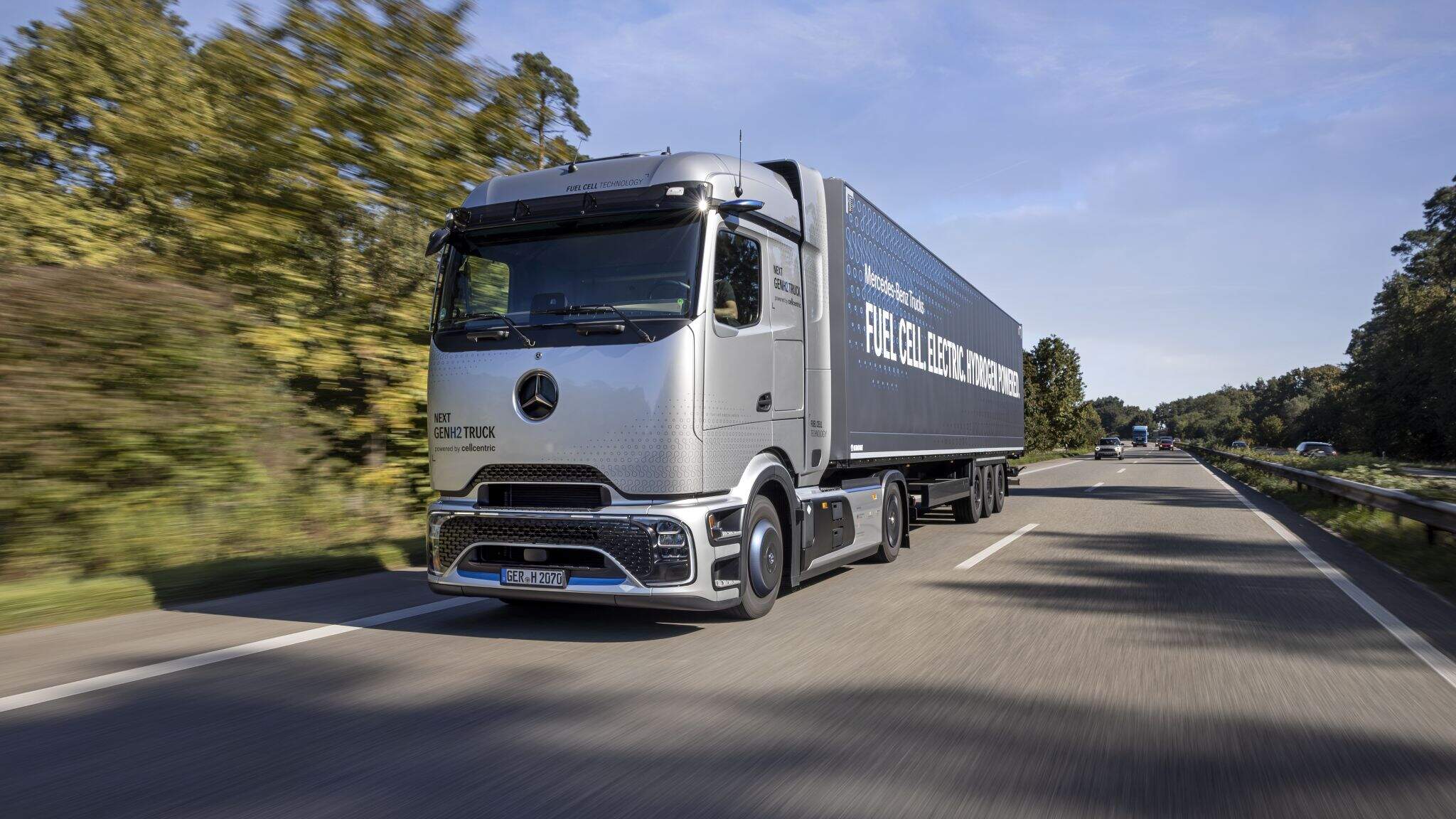
The three hydrogen trucks are the first of a small series of 100 vehicles that Daimler Truck will deliver to selected customers starting at the end of December 2026. Volume production is scheduled to start in the early 2030s.
Fuel-cell trucks with liquid hydrogen could supplement DACHSER’s e-truck fleet in the future—especially when very long ranges or short refueling times are called for.
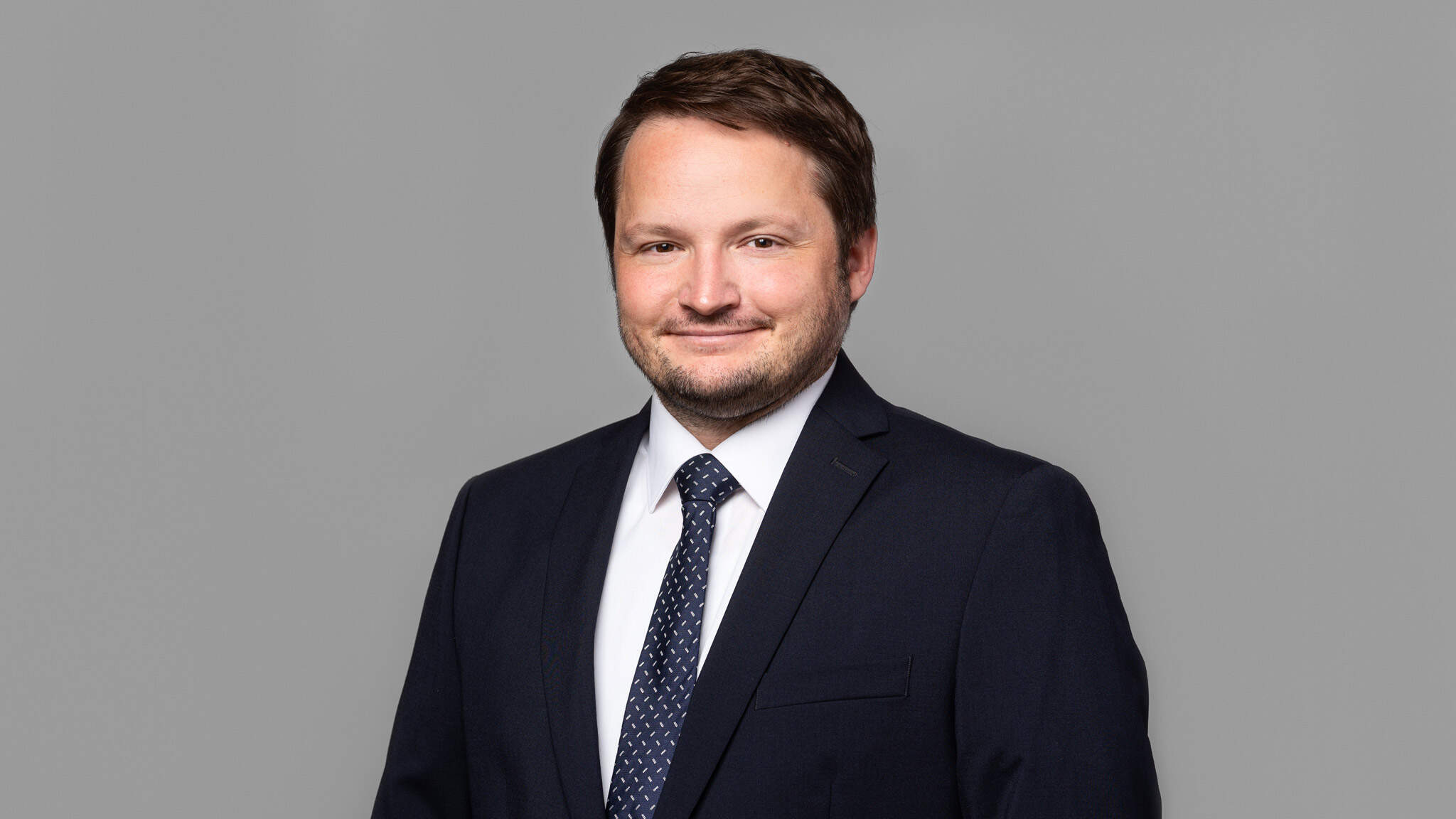
Stefan Hohm, Chief Development Officer (CDO) at DACHSER“In logistics, if we want to sustainably reduce greenhouse gases and air pollutants from long-distance transport and, in the long term, replace diesel trucks completely, what we need is powerful and efficient zero-emission vehicles,” says Stefan Hohm, Chief Development Officer (CDO) at DACHSER. “Development work on battery-electric trucks has come on in leaps and bounds in recent years. These vehicles are reliable, they operate very well, and some volume-produced vehicles now even have a range of over 500 kilometers. But getting ahold of sufficient grid connection capacity for them remains a major challenge.” More than 190 e-trucks are currently in daily use in the DACHSER network, including a number of Mercedes eActros 600s.
“Fuel-cell trucks with liquid hydrogen could supplement DACHSER’s e-truck fleet in the future—especially when very long ranges or short refueling times are called for,” Hohm adds. “Once hydrogen technology is mature and economical, it could meet logistical requirements that are currently difficult to handle with battery-electric trucks. That’s why we’re also involved in research and development in the field of hydrogen mobility.”
The Mercedes-Benz NextGenH2 Truck features a fuel cell made by cellcentric; aboard the vehicle, the cell generates electrical energy from hydrogen to power the electric motors. It’s fueled by liquid hydrogen, which has a higher energy density than gaseous hydrogen. This technology enables ranges of well over 1,000 kilometers with a high payload. At the same time, the truck can be refueled in 10–15 minutes, making it particularly suitable for everyday logistics operations.
Practical use in international scheduled services
The three hydrogen trucks will be stationed at the Karlsruhe logistics center and integrated into existing system traffic, including on routes to other European countries. The branch is only around 30 kilometers away from the Mercedes-Benz plant in Wörth, which is home to suitable liquid hydrogen refueling infrastructure.
“Our Karlsruhe site offers ideal conditions for testing new technologies in real-world operations,” says Bernd Großmann, General Manager of DACHSER Karlsruhe. “We have wide-ranging experience with alternative powertrain systems, and we systematically deploy our findings to the entire DACHSER network.” The Karlsruhe logistics center is one of DACHSER’s e-mobility sites, along with Freiburg and Hamburg. In recent years, it has built up a great deal of experience operating battery-electric trucks and developing the corresponding charging infrastructure.
We’re delighted to be deepening our close and long-standing partnership with DACHSER by providing the company with our first NextGenH2 Trucks.
Achim Puchert, CEO of Mercedes-Benz Trucks“We’re delighted to be deepening our close and long-standing partnership with DACHSER by providing the company with our first NextGenH2 Trucks. Hydrogen will play a key role in decarbonizing European long-distance transport, and that’s why we’re focused on pushing ahead with our fuel-cell technology and getting it into our customers’ hands,” says Achim Puchert, CEO of Mercedes-Benz Trucks. “The fact that DACHSER is one of the first partners to take this path with us—and has also opted for Mercedes-Benz Trucks battery-electric solutions—is a potent sign of trust, innovative strength, and our shared ambition to make tomorrow’s transportation sustainable.”
“Testing new powertrain concepts under real-life conditions is a central component of our innovation strategy,” Hohm adds. “By working closely with manufacturers, we can monitor developments from an early stage and reliably assess the benefit that our network stands to gain from various technologies in the future.”